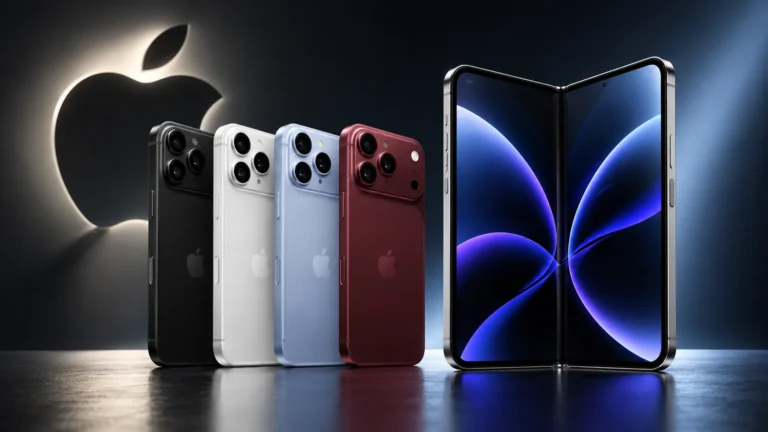
Apple Unveils Foldable iPhone Duo, Redefining Mobile Screens
Apple has just introduced the foldable iPhone Duo, pairing a 7.6‑inch inner display with a 5.4‑inch outer screen. This analysis examines how the A20 Pro chip, iOS 27, and durable hinge design position the Duo as a potential game‑changer in the smartphone market.
Apple has just introduced the foldable iPhone Duo, pairing a 7.6‑inch inner display with a 5.4‑inch outer screen. The announcement, made in Cupertino, signals a new chapter in the company’s hardware strategy, blending a high‑resolution canvas with pocket‑size convenience. The device is powered by the new A20 Pro chip and runs iOS 27, a version of the operating system that has been re‑engineered to accommodate the foldable form factor.
Apple’s move follows a long history of attempts to bring folding screens to mainstream consumers. Samsung’s Galaxy Fold and Google’s Pixel Fold have demonstrated the appeal of larger canvases, yet both have struggled with durability and price points. The Apple hikes iPhone prices and launches foldable iPhone Duo article notes that the company has increased its flagship pricing, a strategy that may reflect the premium cost of the new hinge technology and dual‑display architecture.
Design & Display
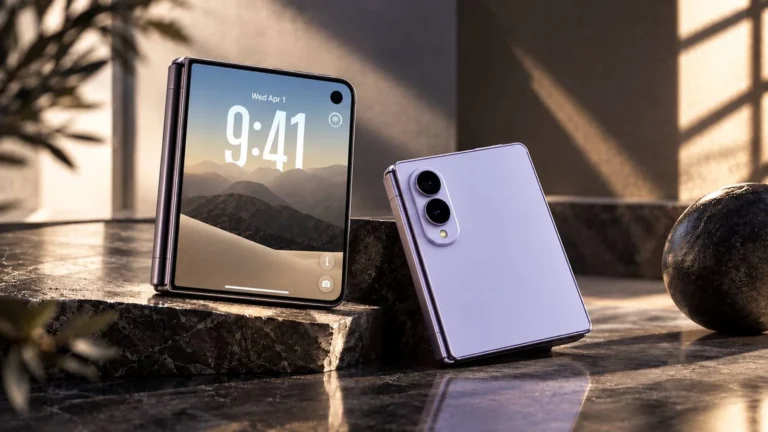
The Duo’s design centers on a precision hinge that supports more than 100 components, engineered to deliver a smooth opening and closing motion while maintaining structural integrity. The outer 5.4‑inch Super Retina XDR panel offers 90 percent of the screen area of the iPhone 18 Pro, while the inner 7.6‑inch panel is 50 percent larger than the iPhone 18 Pro Max. Both displays share the same aspect ratio, ensuring that content scales seamlessly between the two states. The nano‑texture finish on the panels reduces glare, and a custom polymer coating provides up to 40 percent higher stiffness than typical industry materials.
Durability is a key selling point. The Duo’s titanium enclosure and ceramic shield protection on both front and back are designed to resist scratches and impact. The hinge’s micro‑blasted finish and 3D‑printed cover further enhance the device’s resilience. Apple claims that the internal support ribs and antenna splits with ceramic fiber inserts add stiffness, while the titanium plate beneath the inner display mitigates bending stress. These engineering choices aim to address the most common failure modes seen in earlier foldable prototypes.
Hardware & Performance
The A20 Pro chip is the heart of the Duo’s performance promise. Apple’s engineering notes highlight a custom vapor‑chamber thermal management system and a dual‑battery architecture that together deliver “pro performance and impressive all‑day battery life.” The chip’s architecture is tailored to handle the increased heat generated by two displays operating simultaneously, a challenge that has limited the battery life of competing foldables.
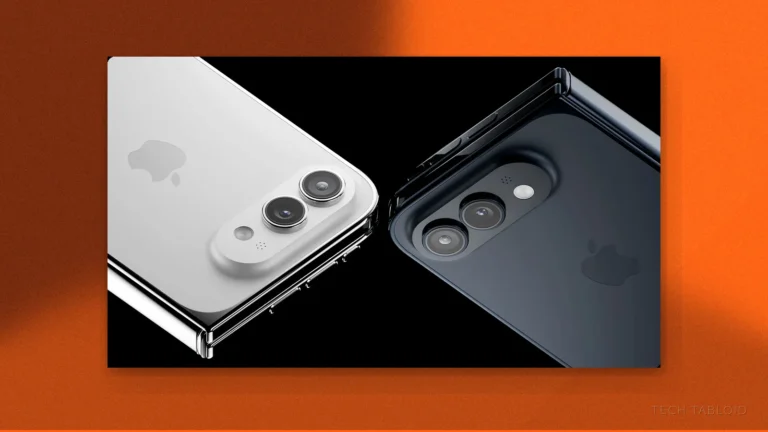
Camera performance is also enhanced by the foldable form. The 48 MP Fusion Main camera features zero shutter lag and a 24 MP default mode for efficient sharing. An integrated 2× telephoto lens offers optical zoom without the need for a separate module. The Ultra‑Wide camera remains the same as on the iPhone 18 Pro, while a new FaceTime camera is hidden beneath the inner display to avoid interruptions. The Duo supports 4K 120 fps recording in Dolby Vision, enabling high‑quality slow‑motion footage that can be edited post‑capture.
Software & Ecosystem
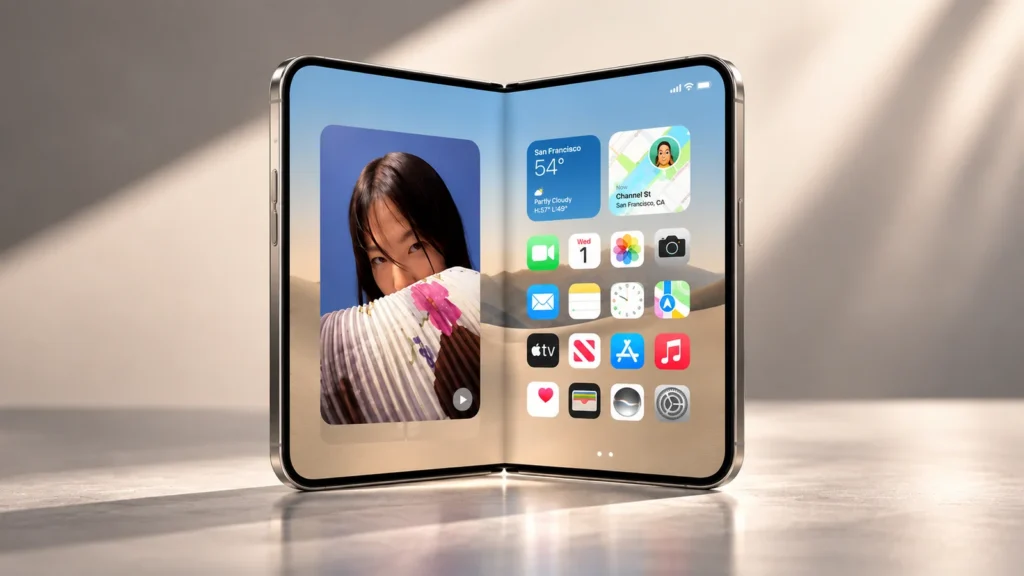
iOS 27 has been re‑imagined to support the Duo’s dual‑display experience. The lock screen, dock, and app navigation now appear on the side of the screen to maximize vertical space. The status bar includes a circular, flexible system that nests into the corner, while the Dynamic Island is redesigned to fit vertically on both outer and inner displays. When the Duo is opened, the home screen shows two pages with a vertically scrolling Today View, allowing users to multitask across apps without switching between displays.
Apple’s ecosystem integration extends to hardware authentication. Touch ID is embedded in the side button, and users can unlock the Duo with an Apple Watch. The device also introduces “Camera Control,” a quick launch feature that includes a new Siri Camera mode, allowing Siri to see what the user sees and respond to visual queries. The upcoming support for Apple Pencil via USB‑C will further expand the Duo’s productivity capabilities, enabling note‑taking and sketching on either display.
Market Position & Competition
The Duo’s entry into the market comes at a time when foldable phones are still a niche segment. Samsung’s Galaxy Fold and Google’s Pixel Fold have faced criticism over hinge durability and high price points, while the market has yet to see a device that combines a large inner display with a pocket‑sized outer screen. Apple’s price hike, noted in the Apple hikes iPhone prices and launches foldable iPhone Duo coverage, suggests the company is targeting the premium segment, where consumers may be willing to pay for the added functionality.
Competitive advantages for the Duo include the seamless integration of hardware and software, the robust hinge design, and the powerful A20 Pro chip. Pressure points remain the device’s high cost and the inherent fragility of foldable displays. Beneficiaries of the Duo’s ecosystem are likely to include developers who can leverage the new APIs to create apps that exploit dual‑display multitasking, as well as power users who demand large canvases for productivity tasks.
Apple’s strategic focus on foldable design, coupled with the A20 Pro’s thermal management and iOS 27’s adaptive UI, signals a deliberate push into premium productivity devices. The Duo positions itself as a flagship that may redefine the high‑end smartphone segment, offering a blend of portability, performance, and versatility that has been absent from the market until now.
Disclosure: Tech Tabloid may earn an affiliate commission from qualifying purchases through Amazon links on this page at no additional cost to you.
Reporting transparency