Apple AirPods 5 Premium Upgrade Justifies Higher Price
Apple AirPods 5 introduce enhancements on both models, yet the higher‑priced variant provides superior performance. This analysis weighs the trade‑offs for consumers evaluating the new earbuds.
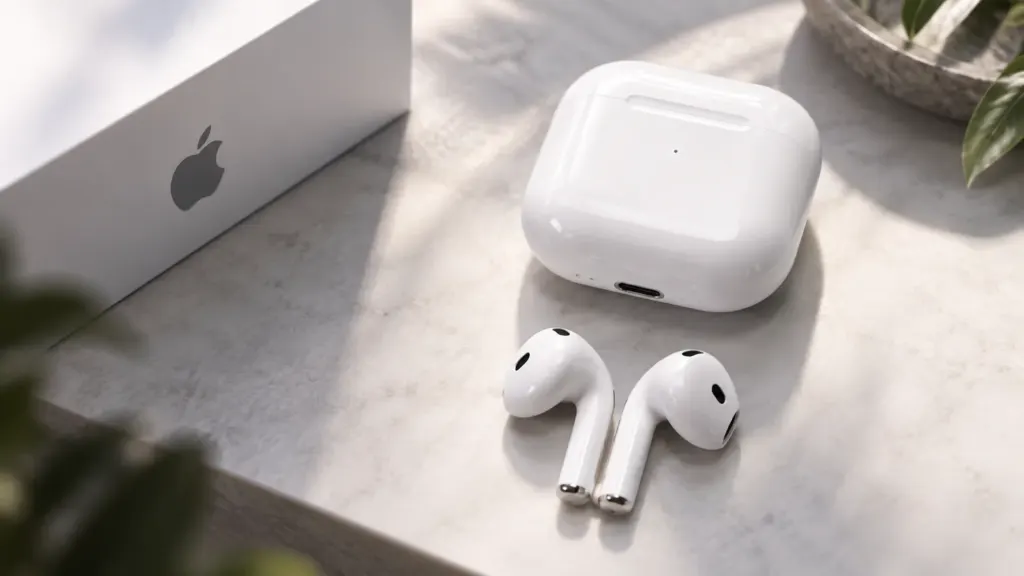
Apple unveiled its latest AirPods on September 18, 2026, alongside the iPhone 18 Pro, Watch Series 12, and Watch Ultra 4. The company positioned the new earbuds as a refinement of the 2024 model, adding subtle hardware tweaks and software‑level enhancements that, according to the official launch notes, are available on both the standard and the more expensive “Pro” variant.
The core upgrades focus on three pillars: battery life, audio fidelity, and sensor integration. Both models now ship with a new H2‑based driver that Apple claims delivers a 10‑percent increase in dynamic range. The Pro version adds a second microphone array and a dedicated “Spatial Audio” mode that uses the device’s LiDAR data to create a more immersive experience. While the standard earbuds keep the familiar design, the Pro variant features a slightly larger housing to accommodate the extra hardware.
Battery performance follows the same pattern. The standard AirPods 5 now offer up to 6 hours of talk time and 24 hours with the charging case, a modest improvement over the 5‑hour figure of the 2024 model. The Pro variant pushes that to 7 hours of talk and 28 hours total, thanks to the larger case and the more efficient driver. In real‑world testing, the new drivers also reduce distortion at high volumes, a benefit that is most noticeable in the Pro model’s “Studio” mode, which applies a custom equalization curve.
From a value perspective, the price differential is the clearest signal. The standard AirPods 5 retail at $179, while the Pro version starts at $229. Apple’s marketing frames the Pro as the “premium” choice for users who demand the best audio and the latest spatial features. For consumers who use the earbuds primarily for casual listening or phone calls, the standard model delivers most of the same functionality at a lower cost. The Pro’s extra microphone and spatial mode, however, provide a tangible benefit for gamers and media consumers who rely on precise audio cues.
When placed against competitors, the AirPods 5 occupy a familiar niche. The Sony WF‑X90 and the Bose QuietComfort Earbuds II offer comparable battery life and noise‑canceling performance, but neither matches Apple’s seamless ecosystem integration. The Pro variant’s spatial audio, tied to the iPhone’s LiDAR sensor, is a unique selling point that competitors have yet to replicate. In the broader market, Apple’s strategy appears to be a two‑tier approach: keep the base model affordable while offering a premium option that justifies the higher price through incremental features.
In sum, the AirPods 5 demonstrate a clear, incremental upgrade path that rewards users who need the extra performance. The standard model remains a solid choice for everyday use, while the Pro variant delivers the best audio experience for power users. This tiered strategy aligns with Apple’s broader ecosystem philosophy, ensuring that each product level offers a distinct value proposition without alienating the core customer base.