Apple Leverages Deep Discounts to Reinforce Ecosystem Dominance
Apple pairs a $179 AirPods Pro 3 discount with new M6‑based Macs to deepen ecosystem ties and showcase AI‑centric performance, signaling a calculated pricing shift in 2026.
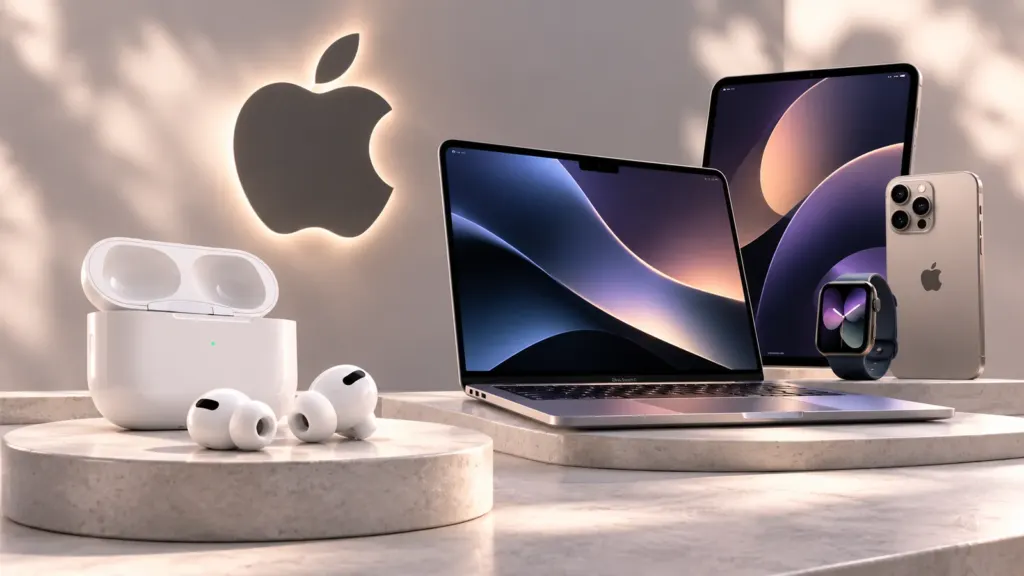
Apple’s October Prime Day promotion places the AirPods Pro 3 at $179, a price point that undercuts most premium true‑wireless earbuds on the market. The same day the company rolls out the new Mac mini and Mac Studio, both powered by the latest Apple silicon generations—M6, M5 Pro, M5 Max and the all‑new M5 Ultra. The coordinated timing of a deep discount on a flagship accessory and the launch of a refreshed desktop lineup suggests a deliberate strategy: use price elasticity to pull users deeper into the Apple ecosystem while showcasing the AI‑first capabilities of its silicon.
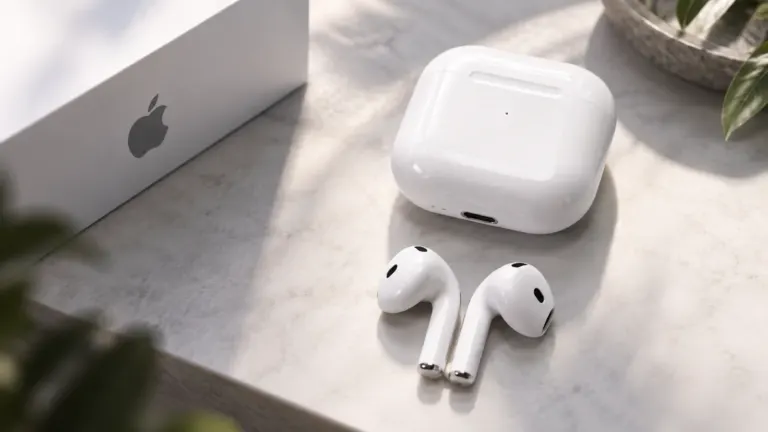
The AirPods Pro 3 discount is notable not only for its headline figure but also for the feature set that remains unchanged. The earbuds retain active noise cancellation, five ear‑tip sizes, live translation and spatial audio, all of which were premium differentiators at launch. By reducing the retail price to $179, Apple effectively lowers the barrier for new adopters and encourages existing iPhone users to upgrade from older AirPods models. This move mirrors the earlier price cut on the AirPods 5, which was covered in Tech Tabloid’s analysis of the AirPods 5 premium upgrade. The pattern indicates that Apple is willing to sacrifice short‑term margin on accessories to increase the overall value proposition of its hardware ecosystem.
Simultaneously, Apple introduces a tiered Mac mini lineup: the base M6 model starts at $899, while the M5 Pro configuration begins at $1,699. The Mac Studio follows a similar structure, with the M5 Max version priced at $2,499 and the M5 Ultra at $5,499. Performance claims from the official announcement emphasize up to 4× faster AI performance, up to 2× faster graphics, and up to 40% faster CPU throughput for the M6‑based Mac mini. The M5 Ultra Mac Studio pushes the envelope further, offering up to 4.3× faster AI performance, up to 1.8× faster graphics, and support for up to 512 GB of unified memory. These specifications are paired with macOS 27, which integrates Siri AI and a suite of Apple Intelligence features that extend on‑device AI across the OS.
Pricing strategy amplifies ecosystem lock‑in
By aligning a steep accessory discount with the launch of high‑performance desktops, Apple creates a price‑performance gradient that nudges consumers toward a single‑vendor solution. A user who purchases the $179 AirPods Pro 3 is likely to own an iPhone, iPad or Mac that already runs iOS 17 or macOS 27, where the earbuds unlock features such as live translation and spatial audio through native integration. The new Mac mini, positioned as “Apple’s most versatile Mac,” targets a broad audience—from students to small‑business owners—while still delivering AI‑centric performance that benefits developers building on‑device models. The price points sit below comparable Windows‑based workstations that lack the same level of on‑device AI acceleration, making the Apple offering attractive for budget‑conscious creators.
The pricing also serves a defensive purpose. Competitors in the premium earbuds space, such as Sony and Bose, continue to price their noise‑cancelling models above $250. Meanwhile, the PC desktop market faces pressure from AMD’s Ryzen 9000 series and Intel’s 14th‑gen processors, which, while powerful, do not yet provide the same unified memory architecture or integrated Neural Engines that Apple touts. By delivering a compelling discount on a high‑margin accessory and bundling it with a refreshed desktop line that emphasizes AI workloads, Apple strengthens its value proposition without directly entering a price war on the desktop front.
Performance gains and AI focus reshape the desktop tier
The M6 chip in the base Mac mini delivers a 12‑core CPU, a 12‑core GPU and a dual 16‑core Neural Engine, promising “up to 4× faster AI performance” compared with the previous generation. For everyday users, this translates into smoother multitasking, faster photo and video processing, and more responsive AI‑assisted features in macOS 27. The M5 Pro variant adds an up‑to‑18‑core CPU and a 20‑core GPU, with memory bandwidth increasing to 307 GB/s and unified memory capacity up to 64 GB. These specs position the higher‑end Mac mini as a viable entry point for indie game developers and video editors who previously required a dedicated workstation.
Mac Studio’s M5 Max and M5 Ultra configurations push the envelope further. The M5 Ultra, with a 36‑core CPU, an 80‑core GPU and up to 512 GB of unified memory, targets the most demanding professional workloads—real‑time 8K color grading, large‑scale VFX rendering, and on‑device training of large language models. The inclusion of Thunderbolt 5 with Remote Direct Memory Access (RDMA) enables clustering of multiple Mac Studios, delivering up to three times the performance of a single system for distributed AI inference. This capability, previously limited to enterprise‑grade server hardware, signals Apple’s intent to capture a slice of the high‑end professional market that values on‑device privacy and low‑latency AI processing.
Both Mac mini and Mac Studio benefit from macOS 27’s Siri AI integration, which provides context‑aware assistance across messages, emails and photos. The operating system also extends Apple Intelligence features to third‑party apps, allowing developers to embed on‑device AI without additional licensing costs. The convergence of hardware acceleration and software integration creates a compelling narrative: Apple is not merely selling faster silicon, but a complete AI‑centric platform that reduces reliance on cloud services.
The AirPods Pro 3 are a fantastic deal at $179.
In sum, Apple’s October pricing moves are less about isolated discounts and more about reinforcing a tightly knit hardware‑software ecosystem that leverages AI as a differentiator. The $179 AirPods Pro 3 price point lowers the entry barrier for new users, while the Mac mini and Mac Studio price tiers provide scalable performance for a wide range of professional needs. The combined effect is a broadened user base that is more likely to stay within Apple’s ecosystem for future upgrades, driven by the convenience of integrated AI features and the cost advantage of bundled hardware. Monitoring adoption rates of the discounted AirPods and sales velocity of the new Macs over the next quarter will provide concrete indicators of whether this pricing strategy successfully deepens ecosystem lock‑in.
Disclosure: Tech Tabloid may earn an affiliate commission from qualifying purchases through Amazon links on this page at no additional cost to you.