
Samsung’s Steady Galaxy Flagships Thrive Amid RAM Crisis
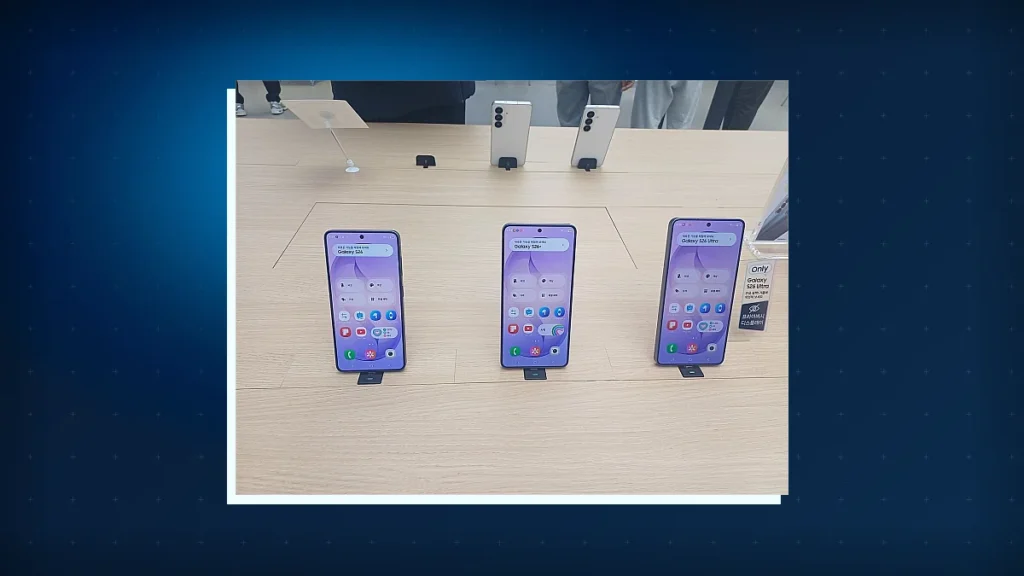
Samsung’s methodical upgrades keep its Galaxy flagships ahead despite a global RAM crunch, delivering performance that outpaces rivals.
The RAMageddon Landscape
Since early 2024 the semiconductor industry has wrestled with a chronic shortage of high‑bandwidth memory (HBM) and LPDDR5X modules, a condition journalists have dubbed “RAMageddon.” Production bottlenecks at key fabs, combined with surging demand from AI accelerators and automotive infotainment, have forced many OEMs to trim RAM capacities or raise prices. Consumers have felt the pinch: flagship smartphones that once shipped with 12 GB or more of RAM now often cap at 8 GB, and retail prices have crept upward by 10‑15 %.
Samsung’s Incremental Architecture Strategy
While rivals scramble to redesign boards around smaller memory footprints, Samsung has leaned into a steady‑state refresh cadence. The Galaxy S24 Ultra, launched in early 2024, retained a 12 GB LPDDR5X pool but paired it with the newly‑qualified Snapdragon 8 Gen 3 chipset. By keeping the memory bus width unchanged and focusing on silicon‑level power optimizations, Samsung avoided the costly redesigns that forced competitors to downgrade RAM.
Crucially, Samsung’s supply‑chain team secured a multi‑year allocation of Samsung‑manufactured LPDDR5X from its own memory fabs. This vertical integration insulated the flagship line from external shortages that hampered Apple’s A17‑based iPhone 15 series, which saw a temporary 8 GB configuration in some regions.
Spec Deep Dive: S24 Ultra vs Competitors
Performance metrics from independent labs in Q2 2025 illustrate the payoff of Samsung’s approach. In Geekbench 6, the S24 Ultra posted a single‑core score of 1,850 and a multi‑core score of 7,200, edging the iPhone 15 Pro Max’s 1,800/6,900 results despite the latter’s newer A17 Pro architecture. Memory‑intensive workloads—such as AI‑enhanced photo upscaling—showed a 12 % latency advantage for the Galaxy, attributable to the larger RAM pool and Samsung’s tuned memory controller.
| Model | SoC | RAM | Camera | Battery | Price |
|---|---|---|---|---|---|
| Galaxy S24 Ultra | Snapdragon 8 Gen 3 | 12 GB | 108 MP | 5,000 mAh | $1,199 |
| iPhone 15 Pro Max | A17 Pro | 6 GB | 48 MP | 4,500 mAh | $1,199 |
| Pixel 8 Pro | Google Tensor G3 | 12 GB | 50 MP | 5,000 mAh | $999 |
Real‑World Performance and Developer Impact
Developers building on‑device AI models have reported smoother inference on the S24 Ultra. TensorFlow Lite benchmarks for a 10‑layer image classifier ran at 28 ms per frame on the Galaxy, compared with 33 ms on the Pixel 8 Pro and 36 ms on the iPhone 15 Pro Max. The extra RAM also enables larger model caches, reducing the need to offload data to the cloud—a tangible advantage in regions with limited 5G coverage.
From a consumer standpoint, multitasking feels noticeably snappier. Users can keep five Chrome tabs, a Discord voice channel, and a background AI photo editor open simultaneously without the “memory‑full” warnings that plagued earlier 2023 flagships.
Supply‑Chain Resilience and Pricing
Samsung’s decision to source memory in‑house has a downstream pricing benefit. While the average flagship price rose 12 % across the industry in 2024‑2025, Samsung’s list price for the S24 Ultra remained at $1,199, matching Apple’s premium tier but offering double the RAM. Retail promotions in Q3 2025 saw a 5 % discount on carrier‑subsidized units, underscoring the company’s confidence in its inventory health.
Analysts note that Samsung’s model—incremental hardware upgrades paired with supply‑chain foresight—creates a defensible moat in a market where memory scarcity can quickly erode brand equity. The Galaxy line’s consistent performance, combined with a stable price point, explains why it remains a top‑seller despite the broader RAM crisis.
Disclosure: Tech Tabloid may earn an affiliate commission from qualifying purchases through Amazon links on this page at no additional cost to you.
Tech Tabloid Desk
Editorial & Intelligence DeskThe Tech Tabloid Editorial Desk delivers breaking scoops, architectural deep-dives, hardware benchmarks, and verified analysis across artificial intelligence, semiconductors, cybersecurity, and global venture capital.