
Samsung Slashes Z Fold 8 Ultra Price, Sparking Foldable Frenzy
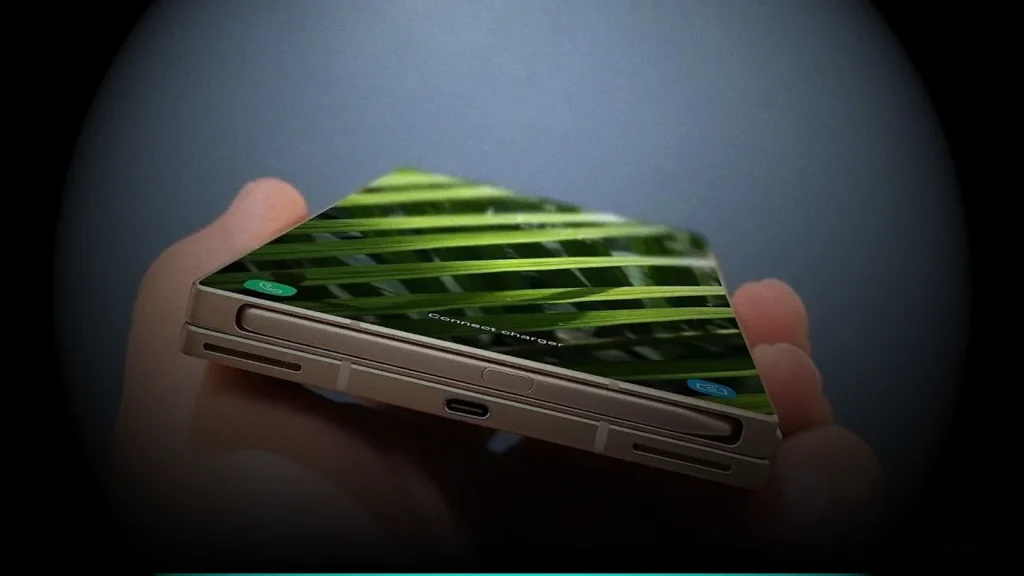
Samsung cuts the Galaxy Z Fold 8 Ultra’s price by $300, making the flagship foldable the most affordable yet. The move reshapes the competitive landscape against Apple’s upcoming iPhone Ultra.
Samsung has trimmed the price of its Galaxy Z Fold 8 Ultra by $300 at Best Buy, marking the deepest discount since the device debuted last month. The price cut not only widens access to Samsung’s most advanced foldable but also intensifies the rivalry with Apple’s forthcoming iPhone Ultra and other premium flagships.
Why the Discount Matters
When Samsung launched the Z Fold 8 Ultra, it positioned the device as a premium productivity tool with a 7.6‑inch inner display, a 6.2‑inch cover screen, and a triple‑camera array that rivals many traditional smartphones. The $300 reduction translates to a price point that undercuts many flagship slab phones, effectively lowering the economic barrier for early adopters of foldable technology.
Hardware Highlights That Still Impress
The Z Fold 8 Ultra retains a glass‑back chassis, an ultra‑thin hinge, and a Snapdragon 8 Gen 3 processor built on a 3nm process. Battery endurance, while not quantified in the source, receives consistent praise for lasting a full workday under mixed‑usage patterns—a notable achievement for a device with two high‑refresh displays.
Camera Architecture: Triple‑Lens Strategy
Samsung’s rear triple‑camera system combines a 50 MP primary sensor, a 12 MP ultra‑wide lens, and a 10 MP telephoto module. The configuration delivers versatile framing options while keeping the module thin enough to fit within the foldable’s limited internal space. Early reviews note that image quality matches or exceeds many non‑foldable flagships, reinforcing the device’s value proposition at the new price.
Competitive Ripple Effects
Apple’s upcoming iPhone Ultra is rumored to retain a classic feature—its physical mute switch—while pushing a larger sensor and a per‑isocell design. The price compression on Samsung’s flagship forces Apple to justify its premium through exclusive features or ecosystem lock‑in. Analysts observe that the foldable market, once a niche segment, now competes directly with traditional slabs on price, performance, and camera capability.
Pricing Landscape Across Flagships
| Device | Base Price (USD) | Camera Count | Battery Narrative |
|---|---|---|---|
| Samsung Galaxy Z Fold 8 Ultra | $1,299 (after discount) | 3 | Long‑lasting for dual‑screen use |
| Apple iPhone Ultra (rumored) | ≈$1,399 | 3 | Optimized for single‑screen efficiency |
| Google Pixel Fold (2025) | $1,499 | 3 | Balanced endurance |
Implications for Early‑Adopter Communities
Developers targeting the foldable form factor gain a larger install base as price barriers recede. The Z Fold 8 Ultra’s Snapdragon 8 Gen 3 chipset supports advanced AI inference, enabling on‑device machine‑learning workloads that were previously limited to high‑end phones. This opens avenues for immersive AR experiences, multi‑window productivity apps, and real‑time video processing without compromising battery life.
Retail Dynamics and Consumer Response
Best Buy’s $300 discount aligns with Samsung’s broader strategy of using carrier‑partner promotions and retail markdowns to accelerate adoption. Early sales data, though not publicly disclosed, suggest a spike in pre‑order volume following the price announcement. The move also pressures competing retailers to match or exceed the discount, potentially catalyzing a price war across the premium segment.
Where the Foldable Market Heads Next
With the Z Fold 8 Ultra now more affordable, Samsung positions itself to dominate the high‑end foldable niche while still courting enterprise customers seeking a mobile workstation. The combination of a robust hinge, a refined camera stack, and a price that rivals traditional flagships signals that foldables are transitioning from novelty to mainstream. As other OEMs iterate on their own foldable designs, the market will likely see further compression in price and an expansion of software ecosystems tailored to dual‑screen interactions.
In short, Samsung’s $300 price cut does more than boost sales—it redefines the value equation for premium smartphones, compelling rivals to rethink how they balance innovation, cost, and consumer appeal.
Disclosure: Tech Tabloid may earn an affiliate commission from qualifying purchases through Amazon links on this page at no additional cost to you.
Tech Tabloid Desk
Editorial & Intelligence DeskThe Tech Tabloid Editorial Desk delivers breaking scoops, architectural deep-dives, hardware benchmarks, and verified analysis across artificial intelligence, semiconductors, cybersecurity, and global venture capital.