Refurbished Galaxy S24 Still Holds Value If Priced Right
A refurbished Samsung Galaxy S24 can still be a smart purchase in 2026, but only when its price undercuts the cost of a brand‑new flagship enough to justify choosing a two‑year‑old device over the latest model.
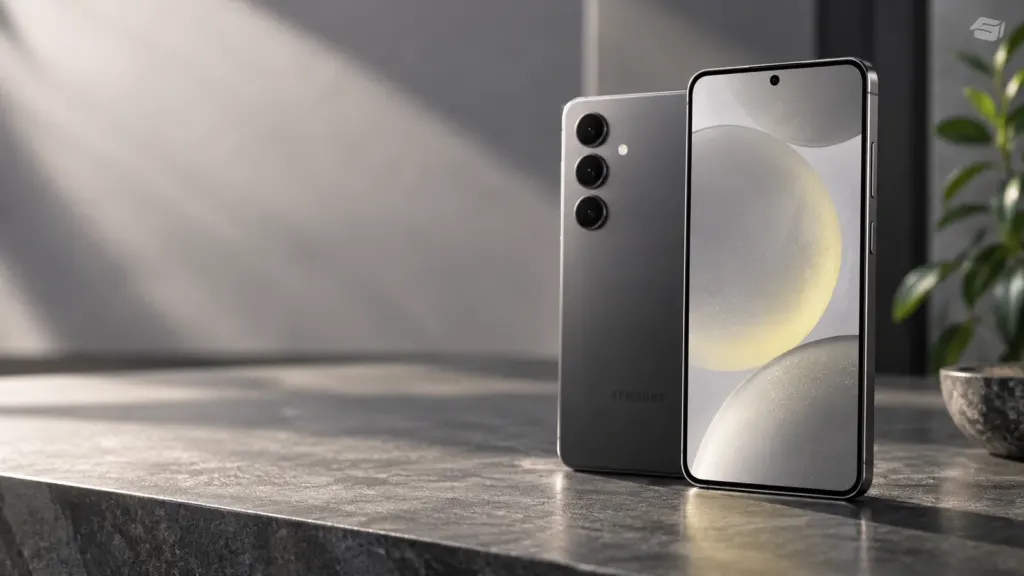
Two years after its launch, the Samsung Galaxy S24 sits behind the latest S26 flagship yet remains a prominent option on the secondary market. Consumers who weigh the cost of a brand‑new premium phone against a refurbished unit face a clear trade‑off: pay a premium for incremental hardware upgrades or accept a modestly older device that still satisfies most daily needs. The central question, therefore, is whether the current price environment for refurbished S24 units makes that trade‑off worthwhile.
Historical depreciation patterns for flagship smartphones provide a useful backdrop. In the first twelve months after release, flagship prices typically fall 30‑40 percent, with a second‑year decline that slows as the device reaches the end of its official support window. Refurbished sellers capitalize on this trajectory by offering units that have been professionally repaired, repackaged, and often come with limited warranties. The key variable is the final price tag: if a refurbished S24 can be acquired at a price that approaches the cost of a mid‑range 2026 phone, the value proposition strengthens considerably.
From a technical standpoint, the S24’s original specifications placed it at the top of the Android hierarchy at launch. Even without enumerating exact processor speeds or camera megapixels, the device still delivers a smooth 120 Hz display, 5G connectivity, and sufficient processing headroom for most apps, games, and media consumption in 2026. For users whose primary needs revolve around messaging, browsing, streaming, and productivity suites, the performance gap between the S24 and the newer S26 is marginal. This mirrors the cost‑versus‑performance calculus observed in storage media, where an SSD’s speed advantage must be weighed against the HDD’s lower price point—a comparison we explored in our SSD vs HDD analysis.
The alternative—purchasing a brand‑new flagship—carries a clear premium. The S26’s launch price sits well above $1,000, reflecting modest improvements in camera optics, processor efficiency, and battery management. For many buyers, those enhancements translate into incremental, not transformative, user experiences. When the refurbished S24 can be sourced for a fraction of that amount, the cost‑benefit equation tilts toward the older model, especially for budget‑conscious power users who value a solid, well‑supported device over the latest bells and whistles.
Stakeholders who stand to gain the most from a low‑priced refurbished S24 include secondary‑device owners, small‑business employees needing a reliable work phone, and resellers who can acquire inventory at wholesale rates. Samsung’s typical software support window—four years of major OS upgrades and five years of security patches—means that a two‑year‑old S24 will continue receiving updates through at least 2028, extending its usable lifespan beyond many mid‑range competitors released in 2026.
Price threshold that makes a refurbished S24 compelling
Market listings for refurbished S24 units currently cluster between $300 and $500, depending on condition, battery health, and included accessories. When the price approaches the lower end of that range, the device offers a compelling alternative to a new mid‑range phone that often costs $400‑$600 but lacks the premium build quality and longer software support window of the S24. Consumers should therefore benchmark the refurbished price against the average cost of a 2026 mid‑range flagship; a price well below that benchmark signals a rational purchase.
Potential downsides remain. Battery capacity naturally degrades over time, and while reputable refurbishers replace or certify batteries, the longevity of a second‑hand battery may still fall short of a brand‑new unit. Warranty coverage is typically limited to 90‑180 days, compared with the full-year warranty on new devices. Moreover, newer models may introduce camera sensors with higher low‑light performance or support emerging 5G bands that the S24 does not cover. Users whose priorities include cutting‑edge photography or the absolute latest network compatibility should factor those considerations into their decision.
In sum, the refurbished Samsung Galaxy S24 retains a clear value proposition in 2026, provided its price drops low enough to offset the allure of newer hardware. Buyers who conduct diligent price comparisons, verify battery health, and confirm warranty terms can secure a premium Android experience at a fraction of the cost of a brand‑new flagship. The market signal is simple: when the refurbished price sits comfortably below the typical mid‑range 2026 price point, the S24 remains a sensible, technically capable choice.
Disclosure: Tech Tabloid may earn an affiliate commission from qualifying purchases through Amazon links on this page at no additional cost to you.