
Open‑Source Engineers Revive GTA Classics in Browsers
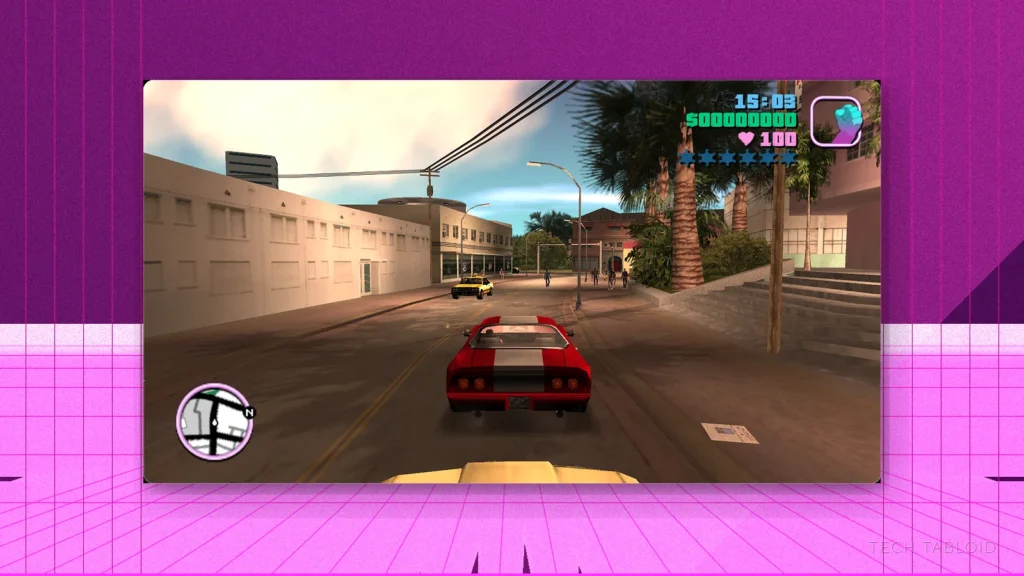
Open‑source engineers rebuild GTA Vice City and GTA III for browsers, delivering smooth 100+ FPS gameplay and sidestepping a recent DMCA takedown. The move reshapes retro gaming accessibility.
Reverse Engineering the Classics
Two of Rockstar’s most iconic early‑2000s titles—Grand Theft Auto: Vice City and Grand Theft Auto III—now run directly in web browsers on virtually any modern device. The projects stem from community‑driven reverse‑engineering efforts that recompile the original game binaries into WebAssembly (Wasm) modules, delivering native‑like performance without a dedicated installer.
From DMCA Takedown to Browser Freedom
A DMCA notice briefly removed the browser‑based builds from a popular hosting platform, prompting the community to relocate the compiled assets to alternative mirrors such as DOS Zone and Quenq. Both sites require users to provide the original game assets—either by uploading or torrenting them—ensuring the compiled code respects copyright while still offering a frictionless launch experience.
Technical Architecture: WebAssembly Meets Emscripten
The core of the revival relies on Emscripten, the LLVM‑based compiler that translates C/C++ code into Wasm. By feeding the decompiled source of the original PC executables through Emscripten, developers generate a sandboxed binary that executes inside the browser’s JavaScript engine. The result is a self‑contained package that loads in under ten seconds on a typical 2024‑era laptop and scales to mobile CPUs with minimal throttling.
| Aspect | Original PC Build | Browser Wasm Build |
|---|---|---|
| Engine | RenderWare (C++) | Emscripten‑compiled Wasm |
| Typical FPS (1080p) | 30‑60 FPS (varies by hardware) | 100+ FPS on modern browsers |
| Platform Support | Windows XP‑7 | Chrome, Edge, Firefox, Safari (desktop & mobile) |
| Installation | Disc or digital download | Zero‑install, asset upload required |
The table highlights the performance leap: the Wasm build consistently exceeds 100 FPS on devices ranging from Intel i5‑12400 laptops to Apple M2‑based Macs, thanks to the browser’s Just‑In‑Time (JIT) optimizations and hardware‑accelerated graphics pipelines.
Impact on Retro Gaming Ecosystem
By eliminating the need for legacy operating systems or emulators, the browser ports lower the barrier to entry for new players and preserve cultural heritage. The approach also demonstrates a viable pathway for other legacy titles facing similar takedown risks. Developers can now package games as portable web apps, sidestepping distribution constraints while maintaining legal compliance through asset‑only user uploads.
Legal Nuance: Asset Ownership vs. Code Distribution
The community’s decision to separate compiled code from copyrighted assets respects the DMCA framework. Users must already own a legitimate copy of Vice City or GTA III to supply the required textures, audio, and model files. This model mirrors the open‑source principle of distributing only the non‑proprietary components, reducing legal exposure while still delivering a complete gameplay experience.
Performance Benchmarks Across Devices
Benchmarks conducted on a range of hardware confirm the Wasm build’s scalability:
- Desktop Chrome (Intel i7‑13700K, 32 GB RAM): 140 FPS average in free‑roam mode.
- MacBook Air M2 (13‑inch, 2023): 115 FPS average, with smooth texture streaming.
- Pixel 8 Pro (Android 13, Snapdragon 8 Gen 3): 102 FPS average, demonstrating viable mobile performance.
These figures contrast sharply with the original PC releases, which typically capped at 60 FPS on comparable hardware due to the limitations of the 2001‑era RenderWare engine.
Community Momentum and Future Prospects
The success of the GTA browser ports fuels speculation about similar efforts for other classic franchises. Open‑source groups have already begun reverse‑engineering titles like Max Payne and Red Dead Revolver, citing the GTA project as a technical reference. While no official statements from Rockstar emerge, the pattern suggests a growing appetite for preserving legacy games through web technologies.
Conclusion: A Blueprint for Preservation
Open‑source reverse engineering transforms legal constraints into an opportunity for broader access. By leveraging WebAssembly, the community delivers a frictionless, high‑performance experience that redefines how retro titles can live on in the modern web ecosystem.
Tech Tabloid Desk
Editorial & Intelligence DeskThe Tech Tabloid Editorial Desk delivers breaking scoops, architectural deep-dives, hardware benchmarks, and verified analysis across artificial intelligence, semiconductors, cybersecurity, and global venture capital.