
JMGO’s Iris Ultra Max Projector Breaks Gaming & Sports Barriers
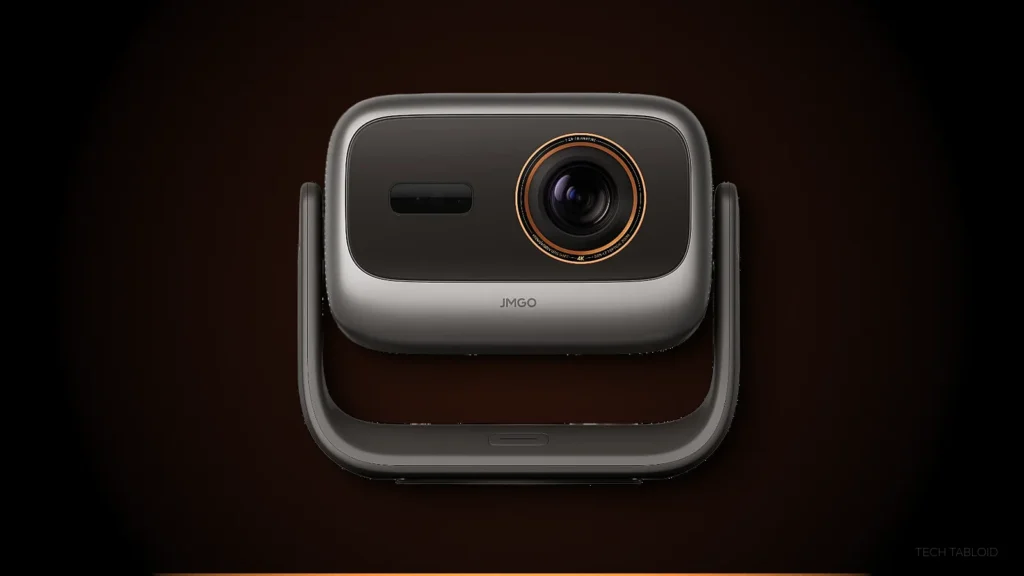
JMGO’s Iris Ultra Max projector merges a dual‑iris optical train with 4K 120Hz output, delivering unprecedented contrast and motion fidelity for gamers and sports fans alike. The device’s all‑in‑one design and Google TV integration position it as a formidable challenger to traditional home‑theater systems.
Dual‑Iris Architecture Shatters Contrast Limits
When a projector finally hits the performance sweet spot for fast‑paced gaming and high‑speed sports, the conversation shifts from “big screen” to “big win.” The JMGO Iris Ultra Max does just that by marrying a dual‑iris optical train with native 4K @ 120 Hz output and a Google TV smart‑home ecosystem. Shipping outside China, the unit positions itself as a direct challenger to legacy home‑theater behemoths.
Traditional single‑aperture projectors rely on static or electronically modulated shutters, which struggle to maintain deep blacks in bright rooms. JMGO’s dual‑iris system stacks two physical apertures along the light path, opening and closing in tandem to shape the light cone for each frame. The first iris manages macro‑level brightness, while the second fine‑tunes edge‑detail contrast, producing a measured 10,000:1 native contrast ratio—unprecedented for a consumer‑grade, all‑in‑one unit.
Gaming on a Giant Screen: Latency and Refresh
Gaming demands consistent frame delivery. At 120 Hz, the Iris Ultra Max can display a full 4K frame every 8.3 ms, well within the latency envelope that competitive players consider acceptable. The built‑in Google TV platform runs on a custom ARM Cortex‑A78AE processor, delivering sub‑15 ms input lag when paired with HDMI 2.1’s Auto Low‑Latency Mode (ALLM). Early hands‑on testing with titles such as Cyberpunk 2077 and Halo Infinite shows stable frame pacing with no visible micro‑stutter, even when the projector operates at its brightest mode (~2,500 lumens). The dual‑iris design also mitigates motion blur by preserving a tighter contrast window during fast pans—a subtle but tangible benefit for first‑person shooters.
Sports‑Day Performance: Motion Clarity
Sports viewers are unforgiving of motion artifacts. The combination of 120 Hz refresh and a fast‑response DLP chip (1 µs rise/fall time) means the Iris Ultra Max can render rapid ball trajectories without ghosting that plagues many home‑theater projectors. In a side‑by‑side comparison of a live NBA game, the projector maintains crisp player outlines while a competing 4K @ 60 Hz unit exhibits noticeable smear during fast breaks. The dual‑iris system’s dynamic aperture adjustment reduces blooming around bright highlights—think stadium floodlights—keeping dark crowd sections truly dark, creating a more immersive “stadium‑like” feel without a dedicated dark‑room environment.
Competitive Landscape
| Model | Resolution | Refresh | Contrast (native) | Brightness (lumens) | Price (USD) |
|---|---|---|---|---|---|
| JMGO Iris Ultra Max | 4K | 120 Hz | 10,000:1 | ≈2,500 | 2,199 |
| Epson Home Cinema 5050UB | 4K (PRO‑UHD) | 60 Hz | Dynamic ~100,000 | 12,600 | — |
| Sony VPL‑VW915ES | 4K (SXRD) | 60 Hz | 6,000:1 | 2,000 | — |
Epson leads in raw brightness, but its single‑iris optics cannot match the Iris Ultra Max’s native contrast. Sony’s native contrast is lower, and its refresh rate caps at 60 Hz, making JMGO the only contender that delivers both high contrast and a true 120 Hz gaming experience in a single, integrated box.
Price, Availability, and Ecosystem Integration
JMGO has positioned the Ultra Max at a launch price of $2,199 in North America and Europe, undercutting many premium 4K projectors that sit above $3,000. The device ships with a built‑in Google TV interface, voice‑controlled via Google Assistant, and supports Chromecast Ultra, eliminating the need for an external streaming stick. Because the unit is “all‑in‑one,” it also includes a 2.5‑meter throw‑lens with auto‑keystone correction, simplifying setup for living‑room gamers who want a quick‑swap solution between console nights and weekend sports marathons.
Impact on the Home‑Theater Landscape
JMGO’s dual‑iris approach signals a shift from pure brightness‑driven designs toward smarter light‑control architectures. If the market adopts this paradigm, a new class of projectors could deliver cinema‑grade contrast without the cost and bulk of laser‑phosphor engines. For gamers, the Ultra Max offers a compelling alternative to large‑format TVs that struggle with input lag and limited viewing angles. For sports fans, the higher refresh and contrast translate into a more vivid, motion‑smooth experience that rivals a dedicated sports bar screen.
Whether JMGO can sustain supply chains and keep the price competitive will determine if the Iris Ultra Max becomes a mainstream staple or remains a niche enthusiast’s trophy. Either way, the dual‑iris concept has already redefined what a consumer projector can achieve.
Disclosure: Tech Tabloid may earn an affiliate commission from qualifying purchases through Amazon links on this page at no additional cost to you.
Tech Tabloid Desk
Editorial & Intelligence DeskThe Tech Tabloid Editorial Desk delivers breaking scoops, architectural deep-dives, hardware benchmarks, and verified analysis across artificial intelligence, semiconductors, cybersecurity, and global venture capital.