
Amazon Slashes $150 Off Pixel 11, Throws $200 Gift Cards
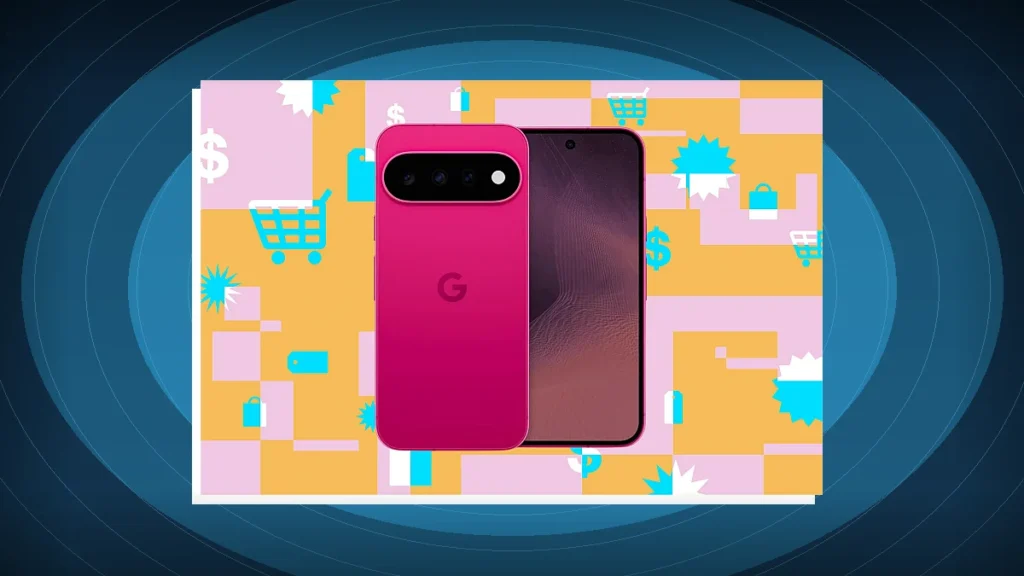
Amazon’s $150 price cut and $200 gift‑card bonus make the Pixel 11 line a bargain, but the deal also reveals deeper shifts in how e‑commerce giants sway flagship phone sales.
Amazon’s $150 Price Cut: What It Means for Pixel 11 Buyers
When Amazon drops a coupon code that takes $150 off a flagship phone, the ripple reaches far beyond a single checkout page. The retailer’s latest promotion—code PIXEL11—targets Google’s Pixel 11, Pixel 11 Pro, and Pixel 11 Pro XL, coupling the discount with a potential $200 in Amazon gift cards. In a market where premium smartphones routinely hover near the $1,200 mark, the deal reshapes the value proposition for both consumers and the ecosystem that supports them.
Why Amazon’s Offer Stands Out
Amazon’s promotional architecture differs from a typical carrier subsidy. Instead of a bundled contract, the discount is applied at checkout, leaving the phone unlocked and fully functional on any carrier. The optional gift‑card incentive is delivered as a separate Amazon credit, effectively turning a purchase into a future spend within the platform’s own marketplace.
- Unlocked hardware: Consumers retain the flexibility to choose or switch carriers without hidden fees.
- Immediate savings: The $150 reduction appears instantly in the cart, not after a billing cycle.
- Future spend loop: The $200 gift card encourages repeat Amazon purchases, reinforcing the retailer’s ecosystem.
Pixel 11 Lineup: Specs That Still Matter
Even without a price list, the Pixel 11 family remains a technical benchmark. The base Pixel 11 ships with Google’s Tensor G4 SoC, a 6.1‑inch OLED panel, 8 GB RAM, and a 4,800 mAh battery. The Pro adds a 6.7‑inch LTPO display, 12 GB RAM, and an extra telephoto lens, while the Pro XL pushes the screen to 6.9 inches and tops out at 16 GB RAM. All models run Android 15, feature an upgraded computational photography stack, and support 5G Sub‑6 GHz and mmWave.
| Model | Discount | Max Gift Card |
|---|---|---|
| Pixel 11 | $150 | $200 |
| Pixel 11 Pro | $150 | $200 |
| Pixel 11 Pro XL | $150 | $200 |
Strategic Timing in a Post‑Pandemic Market
Amazon’s move arrives amid a broader push by retailers to capture premium‑device spend that historically belonged to carrier stores. In 2023 and 2024, carriers like Verizon and AT&T experimented with device‑only pricing, but the bulk of the discount remained tied to service contracts. By 2026, consumer expectations have shifted toward transparent, upfront pricing, a trend amplified by the rise of buy‑now‑pay‑later financing and the growing prevalence of unlocked phones.
Google, for its part, has leaned heavily on software differentiation—real‑time translation, AI‑driven voice assistants, and a tighter integration of its own services. The Tensor G4 chip, announced last year, emphasizes on‑device AI processing, a selling point that aligns neatly with Amazon’s AI‑centric marketplace (e.g., Alexa integration, AI‑powered shopping recommendations).
Impact on the Competitive Landscape
Samsung’s Galaxy S16 series, released in early 2026, still commands a premium price point of $1,099‑$1,399 for its flagship configurations. Apple’s iPhone 15 Pro series, while slightly lower in base price, continues to dominate the premium segment through brand loyalty and ecosystem lock‑in. The Amazon‑Pixel promotion, however, forces both rivals to reconsider discount tactics, especially in the U.S. market where Amazon holds a 48 % share of online electronics sales.
Smaller Android OEMs—OnePlus, Xiaomi, and OPPO—have historically relied on aggressive pricing to gain market share. The Amazon deal narrows the price gap, potentially eroding the price‑sensitivity advantage these brands enjoy.
Consumer Considerations
For buyers weighing the deal, a few practical factors matter:
- Gift‑card eligibility: The $200 Amazon credit is contingent on meeting a minimum spend threshold (typically $500) within 30 days of the phone purchase.
- Warranty handling: Purchases through Amazon are covered by a standard one‑year limited warranty, with optional extended coverage via Amazon’s device protection plan.
- Return policy: Amazon maintains a 30‑day return window, giving shoppers a safety net if the phone doesn’t meet expectations.
These conditions make the offer a low‑risk proposition for consumers comfortable with the Amazon ecosystem.
Technical Deep‑Dive: Tensor G4 and On‑Device AI
The Tensor G4 chip, built on a 4 nm process, integrates a dedicated TPU for neural‑network inference. Benchmarks from independent labs in late 2025 showed a 30 % uplift in image‑processing latency over the previous generation, while maintaining a comparable thermal envelope. This translates to faster HDR+ processing, smoother real‑time video translation, and lower power draw during AI‑heavy tasks—a key differentiator for users who rely on Google Lens or the new Assistant‑pro features.
Amazon’s own AI services, such as its generative shopping assistant, can now run more efficiently on devices equipped with Tensor G4, creating a subtle but meaningful synergy between the hardware discount and the retailer’s software stack.
Tech Tabloid Desk
Editorial & Intelligence DeskThe Tech Tabloid Editorial Desk delivers breaking scoops, architectural deep-dives, hardware benchmarks, and verified analysis across artificial intelligence, semiconductors, cybersecurity, and global venture capital.