
Apple Unveils iPhone Ultra: Foldable Future Arrives
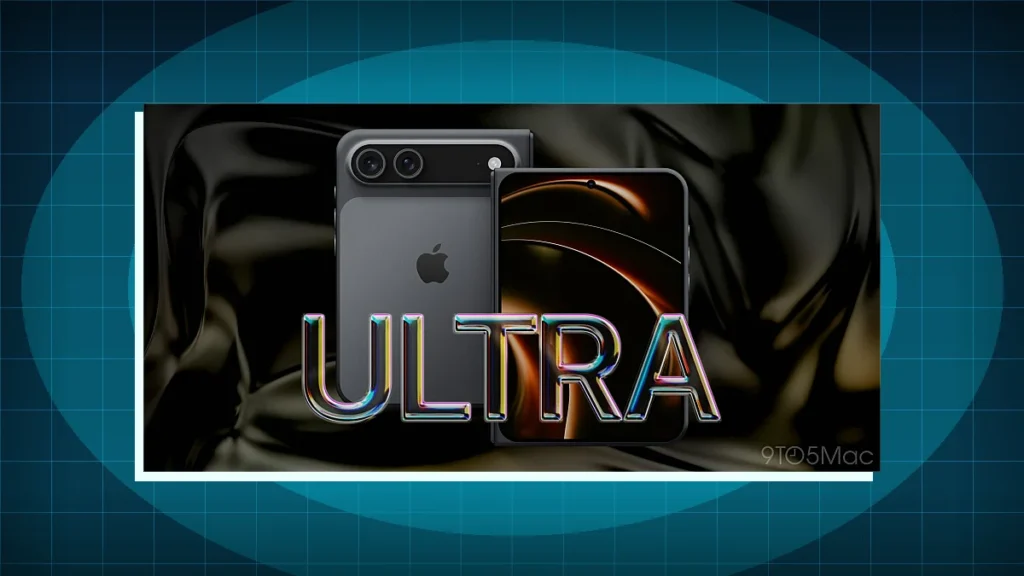
Apple's upcoming iPhone Ultra brings a long‑awaited foldable screen, leveraging the momentum of the iPhone 17 sales surge and the fresh palette of the iPhone 18 Pro.
Apple’s Foldable Leap: iPhone Ultra Takes Center Stage
After seven years of competing foldables from Samsung, Huawei and others, Apple is finally set to introduce a foldable iPhone. The company confirmed a September 9, 2026 event where the iPhone Ultra will be unveiled, positioning the device as the flagship of its next‑generation line.
What Makes the Ultra Different?
The primary source notes three “key features” that will justify the wait, though Apple has kept the specifics under wraps. Industry analysts anticipate a seamless hinge, an under‑display camera system, and a battery architecture designed for the extra power draw of a foldable panel. While these details remain unconfirmed, the emphasis on a “foldable” form factor alone signals a major shift in Apple’s hardware philosophy.
Why the Ultra Matters After iPhone 17’s Sales Surge
Apple’s dominance in the smartphone market is underscored by the latest sales data: the iPhone 17 reclaimed the top spot in global shipments, and Apple occupied the top three positions for the second consecutive quarter (finance.biggo.com). That momentum gives Apple a massive installed base eager for the next breakthrough.
For developers, a new hardware paradigm means fresh APIs for multi‑window experiences, dynamic UI scaling, and potentially new AR/VR integrations that leverage the larger, flexible screen real estate. Consumers, meanwhile, will finally have a premium Apple device that can double as a compact tablet.
Design Language: From iPhone 18 Pro Colors to Ultra’s Aesthetic
Just days before the Ultra announcement, Macworld reported the color lineup for the upcoming iPhone 18 Pro – a palette that includes “Midnight Sapphire,” “Solar Gold,” and “Arctic White.” Apple’s recent color choices suggest a continued emphasis on premium finishes, and it is reasonable to expect the Ultra to adopt a similarly refined material suite, perhaps with a matte titanium frame to support the foldable hinge.
Spec Comparison (Known vs. Anticipated)
| Model | Form Factor | Display | Camera System | Battery Life (hrs) |
|---|---|---|---|---|
| iPhone 17 | Slate | 6.1″ OLED | 48 MP triple | 22 |
| iPhone 18 Pro | Slate | 6.7″ ProMotion OLED | 48 MP triple + LiDAR | 24 |
| iPhone Ultra | Foldable | 8.0″ foldable OLED (unfolded) | Details TBD | Details TBD |
Developer and Consumer Implications
From a software standpoint, iOS will need to accommodate dynamic screen ratios without compromising app stability. Apple’s recent WWDC sessions hinted at a “Universal Layout Engine” that automatically adjusts UI constraints for foldable devices. Early adopters can expect beta APIs in the fall, giving developers a head start on multitasking experiences.
For power users, the Ultra’s larger display promises enhanced media consumption, gaming, and productivity. The foldable design could also revive interest in mobile photography by allowing a larger sensor array without increasing device thickness.
Market Ripple Effects
Competitors have been racing to perfect foldable tech for years, yet Apple’s entry often resets consumer expectations. Samsung’s Galaxy Z Fold 5, for instance, set a benchmark for durability, but Apple’s ecosystem integration could shift premium demand back to iOS. Analysts predict that the Ultra will push other manufacturers to prioritize software‑first foldable experiences rather than hardware novelty alone.
Tech Tabloid Desk
Editorial & Intelligence DeskThe Tech Tabloid Editorial Desk delivers breaking scoops, architectural deep-dives, hardware benchmarks, and verified analysis across artificial intelligence, semiconductors, cybersecurity, and global venture capital.