
Waymo’s German Gamble: 2027 Robotaxi Rollout
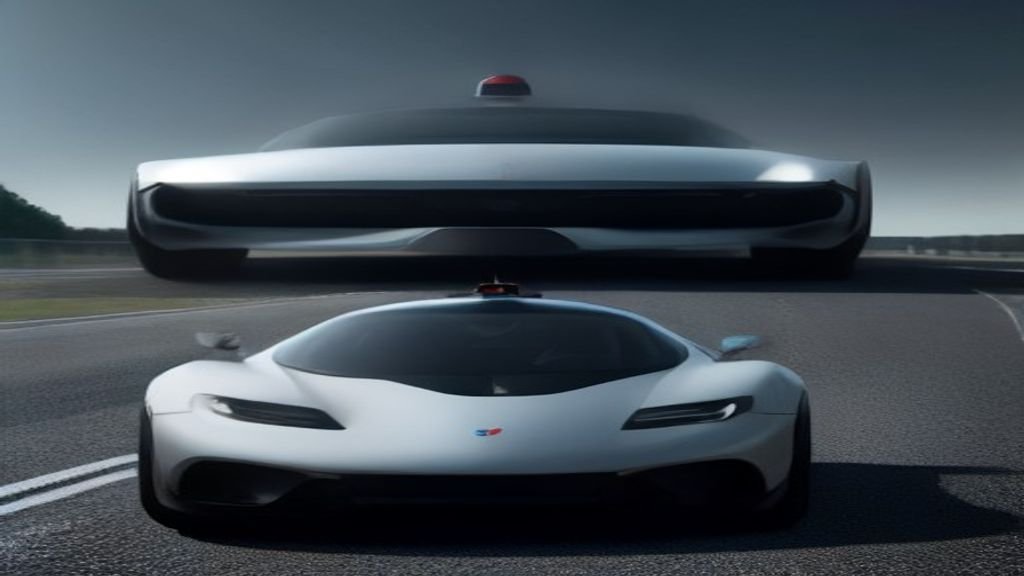
Waymo is set to launch its autonomous rides in Germany by the end of 2027, becoming the company’s third market outside the U.S. The move signals a strategic push into Europe’s most regulated automotive hub, with implications for technology, regulation, and competition.
Waymo’s German Gamble
On August 26, 2026, Waymo announced a landmark expansion: it will begin offering driverless rides in Germany in 2027. This move marks the company’s first foray into the European Union and its third market outside the United States, following earlier deployments in the United Kingdom and Japan. The announcement was made in a press release that highlighted the company’s readiness to navigate Germany’s stringent safety and data‑privacy regulations.
Why Germany? Regulatory Landscape
Germany’s automotive industry is the world’s largest, with a robust network of test tracks, a culture of engineering precision, and a regulatory framework that balances innovation with public safety. The country’s Federal Ministry of Transport and Digital Infrastructure has been actively modernizing its autonomous vehicle (AV) rules, creating a clear roadmap for commercial robotaxi deployment. By aligning its technology with German safety standards—such as the Technische Prüfvorschrift für Fahrzeuge (TPV) and the European Union’s Automated Driving Systems (ADS) regulation—Waymo aims to secure the necessary certifications before its 2027 launch.
Technology Under the Hood
Waymo’s robotaxi platform is built around a Level 4 autonomous stack, enabling full automation in predefined environments without a human driver. The system integrates eight high‑definition cameras, four dual‑mode LiDAR sensors, and a suite of radar units that together provide a 360‑degree perception envelope. The vehicle’s on‑board computer runs a neural‑network‑based perception pipeline that processes sensor data in real time, allowing the car to navigate complex urban scenarios—intersections, pedestrian crossings, and dynamic traffic—while maintaining a safety margin that exceeds German regulatory thresholds.
Competitive Landscape
Waymo’s entry into Germany positions it against local and global competitors. Cruise, a subsidiary of General Motors, has been testing its robotaxis in San Francisco and has announced a partnership with a German logistics firm for last‑mile delivery. Tesla’s Full Self‑Driving (FSD) beta is available to a limited fleet in select U.S. cities, and the company has expressed interest in expanding to Europe, though regulatory hurdles remain.
| Feature | Waymo | Cruise | Tesla FSD |
|---|---|---|---|
| Autonomy Level | 4 | 4 | Beta (Level 2/3) |
| LiDAR Count | 4 | 4 | None |
| Camera Count | 8 | 6 | 12 |
| Vehicle Type | Minivan & Sedan | Sedan | Sedan |
| Launch Region | Germany (2027) | San Francisco (2024) | U.S. (2026) |
What This Means for Consumers
For German commuters, the 2027 launch could translate into a new, cost‑effective mobility option that operates 24/7, reduces traffic congestion, and lowers carbon emissions. Waymo’s vehicles are equipped with an advanced climate control system that optimizes energy use, contributing to a projected 20‑25% reduction in per‑ride emissions compared to conventional taxis. Additionally, the company’s data‑sharing agreements with local municipalities will feed anonymized traffic patterns into city planning tools, potentially improving public transit scheduling and road maintenance.
From a consumer perspective, the key differentiators will be price and reliability. Waymo has indicated that its fare structure will be competitive with traditional taxis, offering a flat rate per kilometer and a subscription model for frequent riders. Reliability will hinge on the company’s proven track record in the U.K. and Japan, where Waymo has maintained a 99.9% on‑time performance metric.
For the broader industry, Waymo’s German debut signals a shift toward more aggressive regulatory engagement. The company’s approach—leveraging existing EU frameworks, partnering with local tech hubs, and committing to transparent safety reporting—sets a template for other AV players seeking EU entry. The outcome of Waymo’s German test program will likely influence future policy decisions on data governance, liability, and consumer protection.
Sources: “Waymo to launch driverless rides in Germany in 2027, entering third market outside U.S.” (Tech Tabloid), Automotive News, finance.biggo.com.
Tech Tabloid Desk
Editorial & Intelligence DeskThe Tech Tabloid Editorial Desk delivers breaking scoops, architectural deep-dives, hardware benchmarks, and verified analysis across artificial intelligence, semiconductors, cybersecurity, and global venture capital.