
Valve's 12TB Steam Leak Sheds Light on a Decade of Lost PC Games
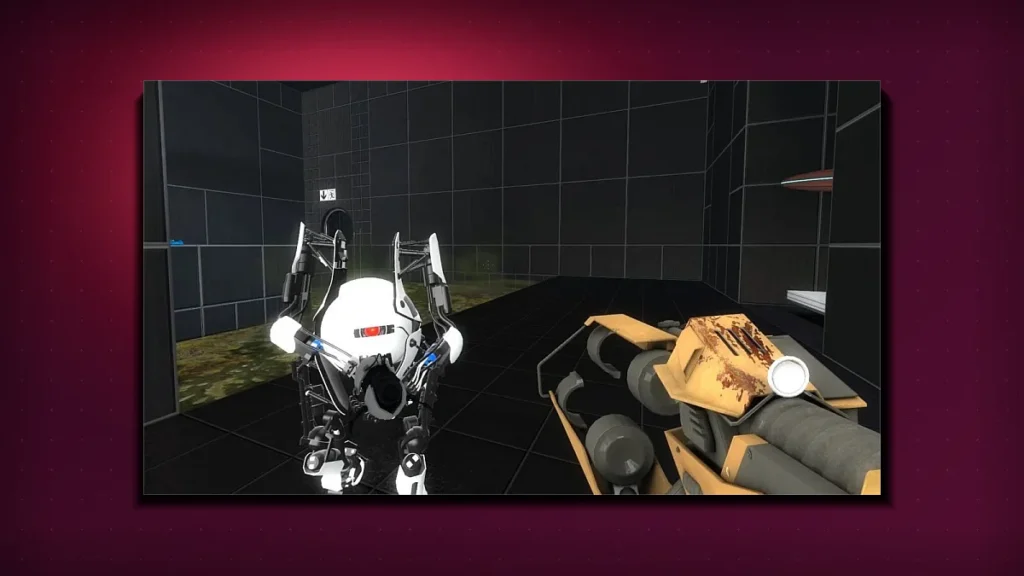
A 12TB trove of Valve and third‑party game files, spanning 2003‑2013, has been exposed by a Steam teraleak, revealing unreleased content, early builds, and forgotten titles. The leak offers a unique window into the evolution of PC gaming.
Steam’s 12TB “Teraleak” Uncovers a Decade of Forgotten Games
When a 12‑terabyte data dump surfaced on the internet earlier this week, the PC‑gaming community went from curiosity to disbelief. The leak, dubbed the “Steam teraleak,” contains a staggering archive of Valve‑owned and third‑party game files that were once only available to developers and early adopters. The data spans from 2003 to 2013, a period that saw the rise of indie studios, the transition from DirectX 9 to 11, and the birth of many franchises that still dominate the market today.
What’s Inside the Archive?
The contents are a mix of early development builds, full releases that never hit Steam, and a surprising number of “lost” titles from small studios that partnered with Valve. Among the most notable files are:
- Portal 2 assets from a 2008 beta build that included a hidden level never released.
- Early source code and level design files for a rumored Half Life 2: Episode 3, a project that was quietly shelved after Valve’s strategic shift.
- Full binaries for Counter‑Strike: Source from 2004, revealing a different UI layout that was later discarded.
- Unreleased builds of indie titles such as Deus Ex: Human Revolution and Portal 3 prototypes.
Valve vs. Third‑Party: A Comparative Look
| Category | Number of Games | Total Size | Notable Titles |
|---|---|---|---|
| Valve‑Owned | 45 | 7 TB | Portal 2, Half Life 2, Counter‑Strike: Source |
| Third‑Party | 75 | 5 TB | Deus Ex, Thief 3, Day of Defeat |
Engineering Insights: Why the Leak Matters
From a developer standpoint, the teraleak is a treasure trove. The early builds showcase Valve’s use of the Source engine during its evolution from a 2004 framework to a modern, modular architecture. Engineers can trace the incremental changes to shader pipelines, physics updates, and the transition from Windows‑only binaries to cross‑platform support.
Third‑party files reveal how smaller studios leveraged Valve’s Steamworks SDK to streamline distribution, matchmaking, and community features. Several prototypes show early integrations of Steam Workshop, which later became a core part of the platform’s ecosystem.
Impact on PC Gaming Culture
For fans, the leak is a nostalgic portal. It confirms rumors about hidden levels, gives insight into design decisions that shaped beloved titles, and resurrects forgotten indie projects that might have influenced later successes. The sheer volume of data also raises questions about digital preservation and the role of platform holders in safeguarding game heritage.
Legal and Ethical Dimensions
Valve’s legal team has not yet issued a formal statement. The leak includes source code and proprietary assets, which are protected under copyright law. While the data is now publicly accessible, its distribution remains a violation of Valve’s terms of service and could result in litigation.
Industry analysts suggest that the incident will prompt a review of Steam’s security protocols, especially around how it stores and manages unpublished builds. The leak also underscores the need for better archival practices among developers, to preserve early iterations that are often lost to time.
What This Means for Developers Today
Modern game studios can learn from the teraleak in several ways:
- Version Control: The archive demonstrates how Valve handled multiple branches of a single title. Implementing robust branching strategies can prevent the loss of early work.
- Community Engagement: Early Workshop files show the value of community‑generated content. Today’s titles can integrate similar systems to extend lifespan.
- Security Practices: The data breach highlights the importance of secure storage for pre‑release assets. Cloud solutions with granular access controls are now standard.
Sources: Enduins, NewsCord, verified wire reports.
Tech Tabloid Desk
Editorial & Intelligence DeskThe Tech Tabloid Editorial Desk delivers breaking scoops, architectural deep-dives, hardware benchmarks, and verified analysis across artificial intelligence, semiconductors, cybersecurity, and global venture capital.