
Trump Raises H‑1B Fee to $103K+ in One Day
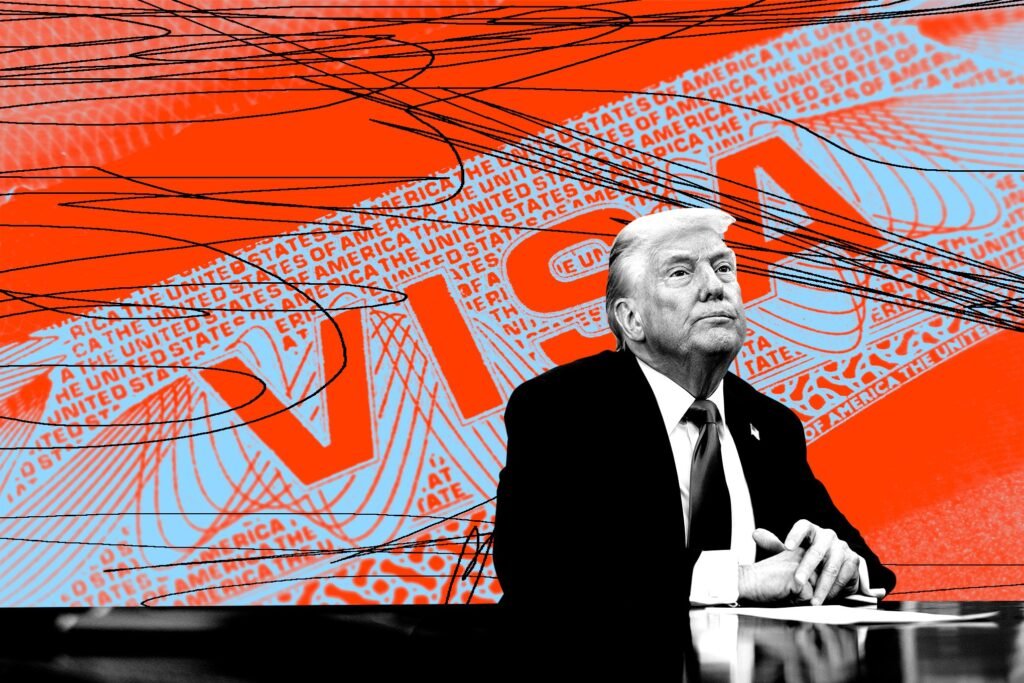
In a lightning‑fast policy shift, the Department of Homeland Security slashed the H‑1B visa fee to over $103,000, while the State Department moved to revoke visas for up to 200,000 asylum seekers. The move rattles the tech talent pipeline, startup hiring, and the U.S. innovation ecosystem.
One‑Day Policy Shock: The Numbers
The U.S. Department of Homeland Security announced, within a span of a few hours on Monday, that it would be implementing a fee of over $103,000 on H‑1B visas. At the same time, the State Department revealed plans to revoke the visas of up to 200,000 asylum seekers. The rapid coordination between the two agencies signals a broader shift in U.S. immigration policy that will reverberate across the technology sector.
Why the Fee Matters to Big Tech
H‑1B visas have long been the lifeblood of Silicon Valley’s talent acquisition strategy. Companies such as Google, Amazon, Microsoft, and dozens of emerging startups rely on the ability to bring in highly skilled engineers from around the world, especially from India, to keep pace with rapid product development cycles. A fee that climbs to $103,000—roughly the cost of a mid‑level software engineer’s annual salary—creates a significant financial hurdle.
- Budget reallocations: Firms will need to allocate more capital to immigration costs, potentially diverting funds from R&D.
- Talent pipeline slowdown: The high cost may deter smaller startups from pursuing H‑1B candidates, narrowing the pool of available talent.
- Competitive imbalance: Companies with deeper pockets can absorb the fee, while leaner firms may lose out on critical hires.
Impact on the Startup Ecosystem
Startups often operate on razor‑thin margins and rely heavily on early-stage hiring to establish product-market fit. The sudden fee hike forces founders to reconsider their hiring timelines and may push them toward domestic talent or alternative visa pathways such as the L‑1 or O‑1. The ripple effect could delay product launches, affect investor confidence, and alter the competitive landscape of emerging tech niches.
Geopolitical Ripples: U.S.–India Relations
India has been the primary source of H‑1B applicants, accounting for roughly 70% of the visas issued in recent years. The fee increase is likely to strain U.S.–India diplomatic ties, as Indian engineers—many of whom are integral to U.S. tech firms—face higher barriers to entry. The policy shift may also prompt India to intensify its own talent export programs or negotiate bilateral agreements to ease the burden.
Asylum Visas: A Parallel Move
While the H‑1B fee change targets the tech industry, the State Department’s plan to revoke visas for up to 200,000 asylum seekers reflects a broader tightening of U.S. immigration. This move may create a perception of an overall hostile environment for foreign talent, potentially affecting the U.S. as a global tech hub. The dual policy signals could lead to a decline in the number of international students and researchers choosing to stay in the U.S. after graduation.
Engineering the Response: Tech Companies’ Adaptation Strategies
Major tech firms are already exploring internal solutions to mitigate the fee impact. Strategies include:
- Accelerating the development of internal talent pipelines through coding bootcamps and university partnerships.
- Investing in automation and AI tools to reduce the dependency on manual coding tasks.
- Expanding remote work policies to tap into talent in lower‑cost regions without the need for visas.
What the Numbers Tell Us About the Future of Tech Talent
The $103,000 fee and the potential loss of 200,000 asylum visas represent a significant contraction in the U.S. tech talent supply chain. If the policy persists, we can expect to see a measurable shift in hiring patterns, with companies leaning more heavily on automation, internal training, and alternative visa programs. The long‑term effect could be a realignment of the global tech talent ecosystem, with new hubs emerging in countries less affected by U.S. policy changes.
Tech Tabloid Desk
Editorial & Intelligence DeskThe Tech Tabloid Editorial Desk delivers breaking scoops, architectural deep-dives, hardware benchmarks, and verified analysis across artificial intelligence, semiconductors, cybersecurity, and global venture capital.