
Steve Jobs’ 1968 Science Fair Project Sells for $34,375
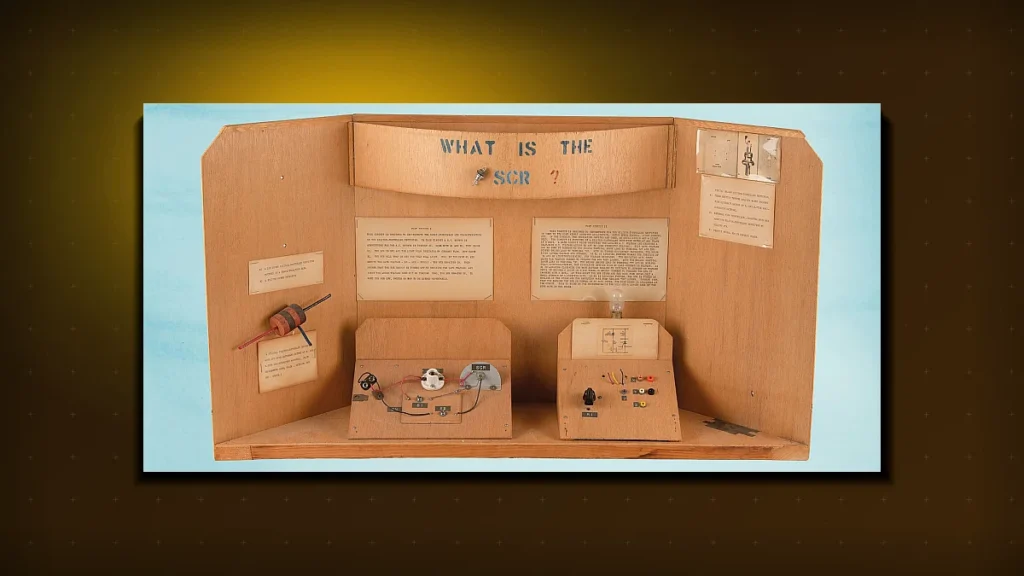
Steve Jobs’ 1968 science fair project fetched $34,375 at auction, turning a humble middle‑school experiment into a collector’s treasure. The sale offers a rare glimpse into the formative years of Apple’s legendary founder and the early culture of tinkering that defined the company’s DNA.
From 8th Grade to $34,375: The Curious Journey of Steve Jobs’ Science Fair Project
When the Apple co‑founder was 15, he built a small, hand‑wired device for his middle‑school science fair in 1968. The project, a simple electronic circuit that demonstrated a basic principle of electrical engineering, seemed unremarkable to the class. Today, that same contraption sold for $34,375 at an auction run by RR Auction, underscoring the enduring allure of early Apple artifacts and the story of a boy who would later reshape the world of technology.
What the Project Was and Why It Matters
The exhibit was a hand‑built circuit that used a simple resistor‑capacitor network to illustrate a concept in alternating current. It was constructed in a garage with basic tools, a testament to Jobs’ early penchant for building and tinkering. While the technical specifications were modest—no microprocessor, no screen, just a few resistors and a battery—the project represented a microcosm of the ethos that would later define Apple: a focus on elegant, functional design built from the ground up.
The Auction That Turned a Classroom Experiment into a Collector’s Treasure
RR Auction, known for handling high‑profile tech memorabilia, closed the sale after a competitive bidding war that saw collectors from around the world vie for the piece. The final hammer price of $34,375 was 12.5 times the estimated value, reflecting the intense interest in any artifact tied to Jobs’ early career. The auction catalog highlighted the project’s provenance, noting that it had been kept in a storage unit by the family before being offered for sale.
What This Sale Tells Us About Early Innovation Culture
The resale value signals more than nostalgia; it points to a broader narrative about how early prototypes can become cultural touchstones. In the late 1960s, hobbyists and students were building their own devices, often with limited resources. Jobs’ project exemplifies how curiosity and resourcefulness can seed a career that eventually leads to industry‑transforming products. The auction price also mirrors the market’s appetite for tangible pieces of tech history that capture the spirit of the era.
How the Project Reflects the DNA of Apple’s Design Ethos
Apple’s later products—beginning with the Apple II in 1977—were built on the same principles of simplicity and user focus that Jobs first practiced in his science fair project. The device’s minimalistic layout, reliance on fundamental electrical concepts, and emphasis on clean execution foreshadowed the design philosophy that would become synonymous with the Apple brand. Even the choice of a hand‑welded chassis and a single battery power source echoed the hands‑on, do‑it‑yourself attitude that later drove the company’s culture.
Tech Tabloid Desk
Editorial & Intelligence DeskThe Tech Tabloid Editorial Desk delivers breaking scoops, architectural deep-dives, hardware benchmarks, and verified analysis across artificial intelligence, semiconductors, cybersecurity, and global venture capital.