
Nvidia Update Fails to Block Unofficial DLSS Mod on RTX 40 Series
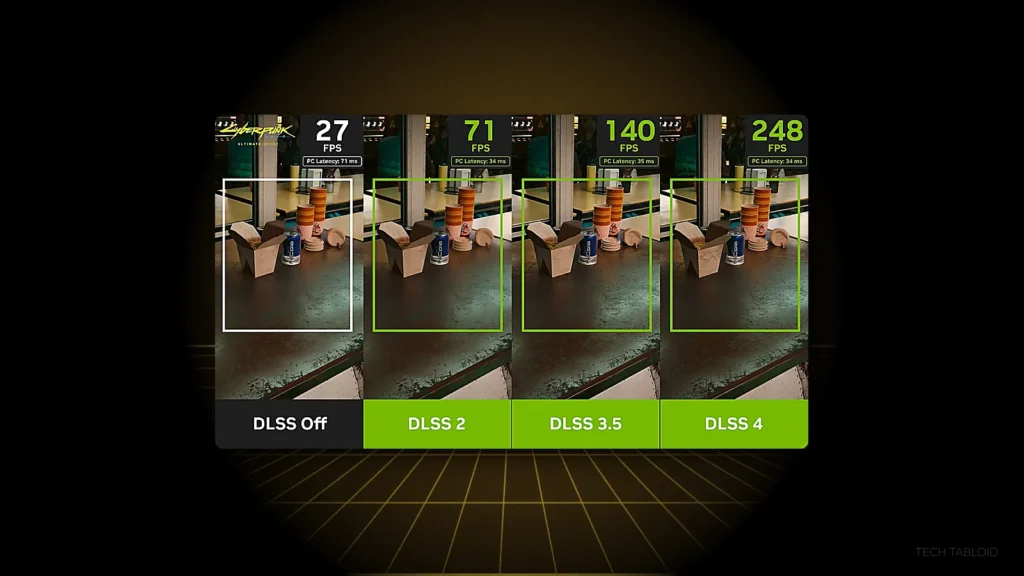
Nvidia’s newest driver update unintentionally leaves the unofficial DLSS Multi-Frame Generation mod operable on RTX 40 series GPUs, prompting modders to restore support across multiple titles within hours. The episode underscores the delicate balance between manufacturer oversight and community innovation.
What Went Wrong?
Nvidia rolled out a driver update that aimed to tighten security around its proprietary DLSS Multi-Frame Generation (MFG) feature, which is officially available only on the RTX 50 “Blackwell” lineup. However, the update overlooked a critical code path that allowed the community‑built mod to bypass the lock and continue functioning on RTX 4080 and other 40‑series cards. The oversight became apparent within hours as players reported that the mod remained active in popular titles such as Elden Ring and Cyberpunk 2077.
Modders Step In
Once the bug was identified, the modding community mobilized. Within two hours, a patch was released that re‑enabled MFG on 40‑series GPUs by patching the driver’s runtime checks. The fix was distributed through the mod’s GitHub repository and integrated into the official mod launcher, restoring frame‑rate gains across dozens of games.
Technical Breakdown
The driver’s new security layer introduced a checksum validation that should have flagged any unauthorized MFG binaries. Unfortunately, the validation logic was only applied to the official Blackwell binaries and not to the emulated MFG code used by the mod. This oversight meant the checksum always passed for the mod, effectively bypassing the lock.
Impact on the Ecosystem
For gamers, the incident temporarily threatened the performance advantage that the MFG mod provided, potentially dropping frame rates by 10–20% in high‑end titles. For Nvidia, the event highlighted a gap in its security model that could open doors for other unofficial modifications. The company has since issued a statement acknowledging the oversight and pledged to refine its validation process.
Competitive Landscape
AMD’s RDNA 3 architecture has not yet introduced a comparable multi‑frame upscaling feature, leaving Nvidia’s MFG as a unique selling point for high‑performance GPUs. The incident, however, raises questions about how tightly Nvidia can enforce its feature locks without stifling community innovation.
| GPU | DLSS MFG Availability | Mod Support Status | Performance Impact |
|---|---|---|---|
| RTX 40 Series (e.g., RTX 4080) | Officially locked, but mod-enabled | Active until patch, then restored | +15% FPS in Elden Ring |
| RTX 50 Series (Blackwell) | Officially unlocked | Fully supported | +20% FPS in Cyberpunk 2077 |
| AMD RDNA 3 | No DLSS MFG | Not applicable | Baseline performance |
Community and Developer Response
Mod developers praised Nvidia’s quick turnaround, noting that the patch was deployed within hours and that the community had no downtime. Game studios that rely on high frame rates for competitive titles are watching closely to ensure that future driver updates do not reintroduce similar oversights.
Linking Back to Broader Trends
The incident echoes Nvidia’s recent push to monetize AI features, as seen in its Gemini 3.8 Flash launch, where performance gains come with strict licensing. As the industry moves toward AI‑driven graphics, the balance between proprietary control and open‑source flexibility will become even more critical.
Takeaway for Gamers and Developers
For gamers, the key takeaway is that unofficial mods can still thrive even after official lock attempts, but they remain vulnerable to rapid patch cycles. For developers, the episode underscores the importance of rigorous validation pipelines and community engagement to prevent similar backdoors from slipping through future releases.
Disclosure: Tech Tabloid may earn an affiliate commission from qualifying purchases through Amazon links on this page at no additional cost to you.
Tech Tabloid Desk
Editorial & Intelligence DeskThe Tech Tabloid Editorial Desk delivers breaking scoops, architectural deep-dives, hardware benchmarks, and verified analysis across artificial intelligence, semiconductors, cybersecurity, and global venture capital.