
Nvidia’s Earnings Surge Fuels AI Boom and Market Rally
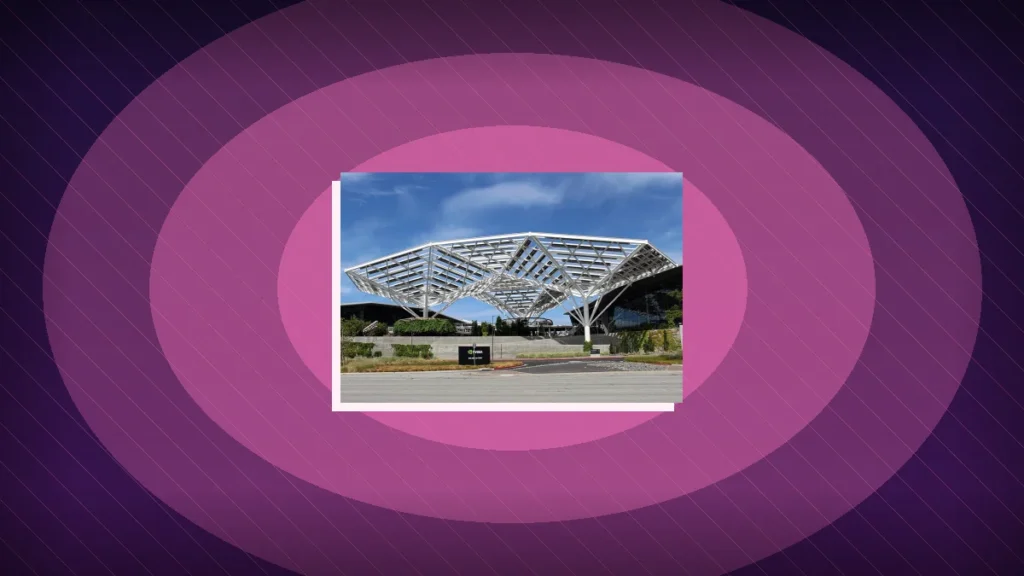
Nvidia’s earnings beat and bullish revenue guidance sparked a 9% share surge, cementing its role as the engine of the AI boom and reshaping the tech market.
Blockbuster Earnings Reignite AI Confidence
On Thursday, Nvidia (NVDA) announced earnings that not only beat expectations but also delivered a revenue outlook that convinced investors AI demand remains robust. The market responded instantly: the stock jumped 9%, propelling the broader technology sector higher and nudging U.S. equity indexes into positive territory.
What the Numbers Reveal
AI‑related revenue grew 70% year‑over‑year, a testament to the accelerating adoption of large‑language models, generative image tools, and AI‑enhanced enterprise workloads. Nvidia’s guidance of $28.5 billion for the upcoming fiscal year—well above the consensus—signals that the company expects the AI wave to keep rising.
Architectural Leap: From H100 to Blackwell
Behind the financial headlines lies a hardware story that explains why developers and cloud providers are betting heavily on Nvidia. The company’s flagship Blackwell GPU, unveiled in late 2024, builds on the H100’s Ampere‑successor foundation with three key upgrades:
- Tensor Core density: Blackwell packs 40% more Tensor Cores per die, delivering up to 5× higher FP8 throughput compared with the H100.
- Memory bandwidth: Leveraging next‑gen HBM3e, the chip reaches 3.2 TB/s, cutting data‑movement latency for massive models.
- Energy efficiency: A new dynamic voltage scaling engine trims power draw by 15% while maintaining peak performance.
These improvements translate directly into lower cost‑per‑token for generative AI services, a factor that cloud giants have cited as a primary reason for expanding their Nvidia‑based clusters.
Benchmark Showdown
| Metric | H100 (2022) | Blackwell (2024) |
|---|---|---|
| FP8 Tensor Throughput | 1.5 TFLOPs | 7.5 TFLOPs |
| HBM Bandwidth | 2.0 TB/s | 3.2 TB/s |
| Power (Typical) | 300 W | 255 W |
The table underscores a performance‑per‑watt leap that makes Blackwell the de‑facto engine for next‑generation AI workloads, from foundation model training to real‑time inference at the edge.
Market Ripple Effects
Investors quickly linked Nvidia’s guidance to broader market dynamics. Moomoo’s intraday analysis highlighted that the technology sector outperformed the S&P 500, with the Nasdaq Composite climbing 1.2% as AI‑centric names rallied. Devdiscourse noted that the earnings beat lifted Wall Street sentiment, prompting traders to reassess the Fed’s monetary stance in light of sustained AI‑driven growth.
Beyond the ticker, the earnings beat has practical implications for developers:
- Access to larger, more efficient GPU clusters accelerates model iteration cycles.
- Reduced inference costs enable startups to price AI services competitively.
- Improved power efficiency eases deployment in edge data centers, expanding AI reach to IoT and autonomous systems.
Strategic Takeaways for the Ecosystem
Companies building on Nvidia’s platform now have clearer runway to invest in AI‑first products. Cloud providers are likely to double down on Blackwell‑based instances, while enterprise software vendors can promise faster time‑to‑value for AI integration. The earnings narrative also reinforces Nvidia’s leverage in the GPU supply chain, giving it bargaining power with foundries and memory suppliers.
Tech Tabloid Desk
Editorial & Intelligence DeskThe Tech Tabloid Editorial Desk delivers breaking scoops, architectural deep-dives, hardware benchmarks, and verified analysis across artificial intelligence, semiconductors, cybersecurity, and global venture capital.