
Linkind’s Smart Light Stick Ignites HomeKit with Matter‑Powered Flame Effects
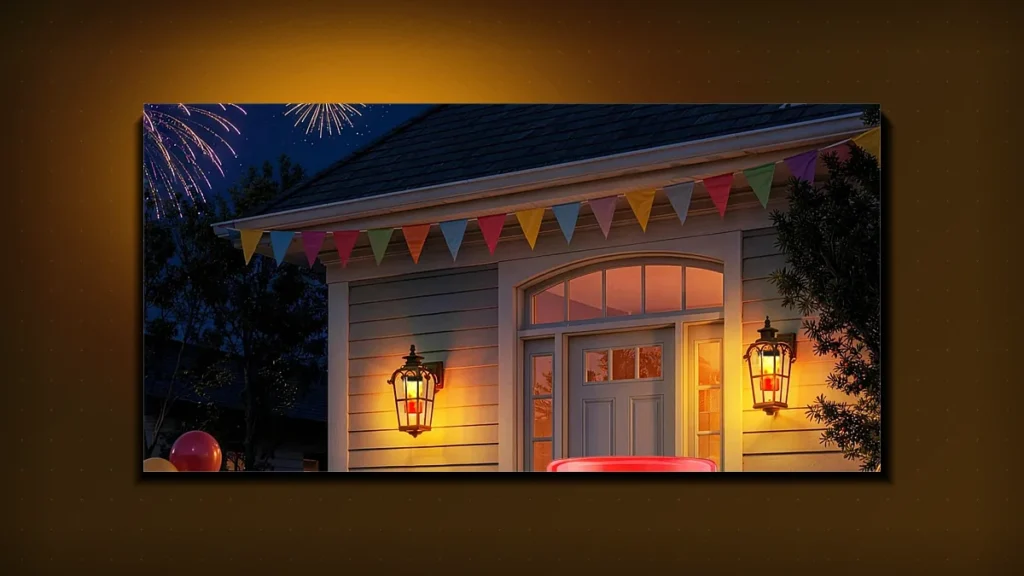
Linkind’s new Smart Light Stick simulates live‑flame ambience while plugging straight into Apple Home via Matter. The device reshapes how developers and consumers think about atmospheric lighting.
From Flicker to Flame: Why a ‘Live‑Flame’ Smart Light Matters
Smart lighting has long been dominated by static color palettes and programmable scenes. The Linkind Smart Light Stick flips the script by attempting to recreate the organic, unpredictable dance of a real fire—without any open flame. In a market saturated with RGB bulbs, a product that can convincingly emulate flame offers both a novel aesthetic and a new use‑case for home automation.
“Flame effects” is not something I’d used before in a smart bulb, so this was a super interesting concept to me.
Matter‑First Architecture
The device’s most compelling technical claim is its out‑of‑the‑box compatibility with Apple Home, enabled by the Matter standard. Matter acts as a universal translation layer, allowing the Light Stick to speak the same language as Apple’s HomeKit, Google Home, and Amazon Alexa. Because the Stick is Matter‑certified, the onboarding process requires only a single scan of a QR code; the accessory instantly appears in the Home app, ready for scene creation.
How the Flame Simulation Works
While the company has not disclosed proprietary algorithms, the Light Stick leverages a high‑frequency PWM driver paired with a multi‑LED array that can vary hue, intensity, and flicker rate at sub‑millisecond intervals. By modulating these parameters in a pseudo‑random pattern, the device mimics the stochastic nature of fire. The result is a visual effect that reacts to ambient light sensors, dimming as daylight rises and intensifying after dark—mirroring real‑world flame behavior.
Real‑World Utility: Beyond Ambience
Atmospheric lighting often serves functional roles—signaling notifications, guiding movement, or enhancing focus. The flame effect can double as a low‑key alert system: a subtle orange flicker can indicate a doorbell, while a brighter, faster blaze can warn of a security breach. Developers can tap the Matter API to trigger these patterns programmatically, creating context‑aware experiences that blend safety and style.
Competitive Landscape
Traditional smart bulbs from Philips Hue, LIFX, and Nanoleaf excel at color accuracy and brightness but lack dedicated flame simulation. A few niche players have released “fire‑place” lamps that rely on static video loops or external controllers, often requiring separate hubs. Linkind’s approach, however, embeds the effect directly into the lighting hardware and leverages Matter for seamless ecosystem integration—potentially setting a new benchmark for atmospheric accessories.
| Feature | Linkind Smart Light Stick | Typical RGB Smart Bulb |
|---|---|---|
| Matter Certification | Yes (Native) | Varies (often via hub) |
| Apple HomeKit Support | Out‑of‑the‑Box | Requires HomeBridge or third‑party bridge |
| Flame Simulation | 3 Built‑in modes | None (static colors only) |
| Setup Steps | Single QR scan | Multiple app steps or hub pairing |
Developer Implications
Because the Light Stick adheres to the Matter data model, developers can treat it like any other Matter‑compatible device. The new FlameEffect cluster (hypothetical name) can be accessed via standard HomeKit APIs, allowing scene designers to blend flame patterns with other lighting zones, audio cues, or sensor triggers. This opens a pathway for third‑party apps to craft immersive experiences—think a “Cozy Evening” routine that dims the lights, starts a fireplace video on a smart TV, and plays ambient crackle sounds—all synchronized through a single HomeKit scene.
Potential Limitations
- Power Consumption: Simulating rapid PWM changes can draw slightly more power than a static color bulb, though exact wattage figures have not been disclosed.
- Color Fidelity: The focus on flame hues may limit the range of pure greens or blues compared to full‑spectrum RGB bulbs.
- Ecosystem Lock‑In: While Matter is cross‑platform, the current marketing emphasizes Apple Home, which could deter Android‑first users.
What This Means for the Smart Home Market
Linkind’s decision to prioritize a single, high‑impact visual effect demonstrates a shift from “more colors” to “more experiences.” As Matter matures, we can expect other manufacturers to embed niche ambience modes—rain, aurora, even simulated candlelight—directly into lighting hardware. The Light Stick may thus be a harbinger of a new wave of purpose‑built smart accessories that leverage universal standards to reach users instantly.
Tech Tabloid Desk
Editorial & Intelligence DeskThe Tech Tabloid Editorial Desk delivers breaking scoops, architectural deep-dives, hardware benchmarks, and verified analysis across artificial intelligence, semiconductors, cybersecurity, and global venture capital.