
Kalshi’s Bet‑Swap Ruling Shakes Up Sports Gambling Law
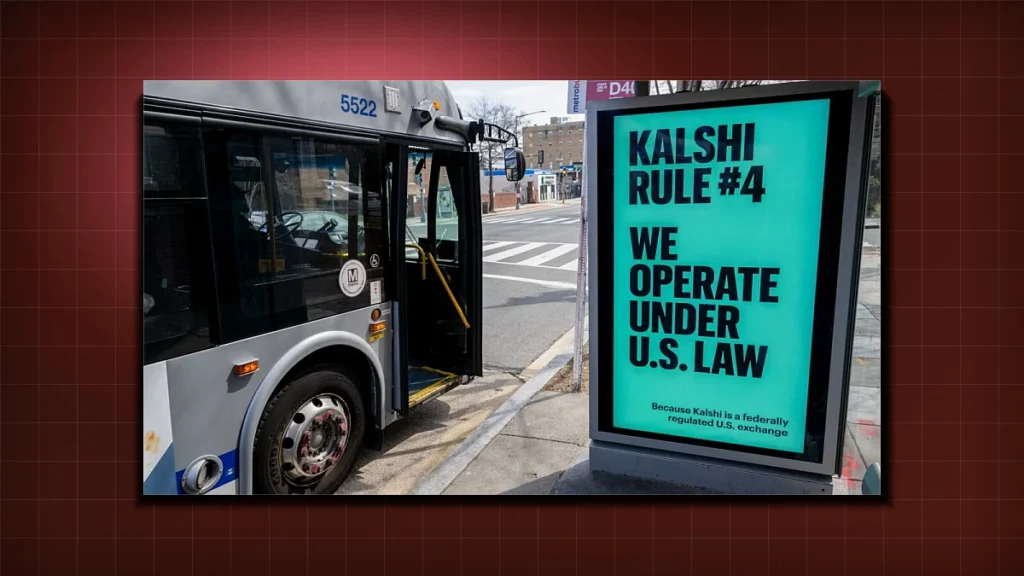
A federal appeals court stripped Kalshi of its “swap” defense, classifying its sports event contracts as gambling. The ruling could redraw the line between regulated futures markets and traditional betting.
When Kalshi launched its event‑contract platform in 2020, it promised a regulated alternative to the wild‑west of sports betting. By packaging outcomes as binary futures swaps, the company argued it fell under the Commodity Futures Trading Commission’s (CFTC) jurisdiction, sidestepping state gambling statutes. That narrative unraveled this summer when the U.S. Ninth Circuit Court of Appeals ruled the contracts are, in legal terms, gambling—not swaps.
From Swaps to Sports Bets: The Legal Pivot
The crux of the case hinged on Nevada’s definition of gambling: any wager on an uncertain outcome where the payoff is determined by chance. Kalshi’s defense was that each contract was a financial swap—a derivative whose value derives from an underlying event, not a bet. The district court disagreed, and the appellate panel affirmed, emphasizing that the contracts lack the risk‑mitigation purpose central to swaps.
Key Findings from the 9th Circuit Opinion
- Kalshi’s contracts are settled based on a binary outcome (win/lose), mirroring traditional sports wagers.
- The platform does not provide the hedging or price discovery functions typical of regulated futures markets.
- State gambling law, not federal commodities law, governs the activity.
Ruling Date
Court
Sports Contracts Offered
Technical Anatomy of a Kalshi Event Contract
Kalshi’s platform builds on a standard CFTC‑approved futures architecture: a matching engine, margining system, and real‑time price feed. The difference lies in the contract definition:
- Underlying Event: A single sports outcome (e.g., “Team A wins Super Bowl”).
- Payoff Structure: $1 per contract if the event occurs, $0 otherwise.
- Settlement: Automated via official league data feeds, mirroring the settlement logic of binary options.
Because the contracts settle at a fixed $1, there is no price discovery beyond the market’s aggregate belief about the probability—a hallmark of traditional betting odds rather than a futures price curve.
Why the Architecture Doesn’t Shield Kalshi
Regulators focus on function, not just form. Even with a robust CFTC‑style back‑end, the platform’s end‑user experience mirrors a sportsbook: users select an outcome, place a stake, and receive a payout if correct. The court noted that “the economic substance of the transaction is a wager,” rendering the swap label ineffective.
| Feature | Kalshi Event Contract | Traditional Sports Bet |
|---|---|---|
| Regulatory Body | CFTC (claimed) | Nevada Gaming Control Board |
| Settlement Currency | US $1 per contract | Varies by sportsbook odds |
| Risk‑Mitigation Goal | None (pure speculation) | None (pure speculation) |
| Transparency of Order Book | Public, order‑book depth visible | Typically opaque |
Implications for the RegTech Landscape
The ruling sends a clear signal to fintechs that re‑branding gambling as derivatives will not evade state law. Two immediate tech‑policy ripples emerge:
- Compliance Overhaul: Platforms must embed state‑level licensing checks, similar to traditional sportsbooks, before allowing a contract to be listed.
- API Scrubbing: Data‑feed providers will need to certify that event outcomes are sourced from officially sanctioned sports leagues, tightening the supply chain that previously resembled a generic price feed.
For developers, this translates into more granular geofencing logic, real‑time jurisdiction verification, and a potential shift toward a hybrid model that offers both regulated futures and state‑licensed betting products.
Market Reaction and Potential Paths Forward
Kalshi has announced plans to appeal to the U.S. Supreme Court, arguing that the decision creates a fragmented regulatory environment that hampers innovation in prediction markets. Meanwhile, competitors like PredictIt and Augur are watching closely; any precedent that broadens the definition of gambling could force them to secure state licenses or redesign their contract structures.
From a technology standpoint, the decision may accelerate the convergence of betting platforms and traditional exchanges. Expect to see more modular compliance layers—plug‑and‑play licensing services that can be toggled based on user location—integrated directly into matching engines.
Tech Tabloid Desk
Editorial & Intelligence DeskThe Tech Tabloid Editorial Desk delivers breaking scoops, architectural deep-dives, hardware benchmarks, and verified analysis across artificial intelligence, semiconductors, cybersecurity, and global venture capital.