
Data Centers Face Noise‑Driven Protests, Not Anti‑AI Rage
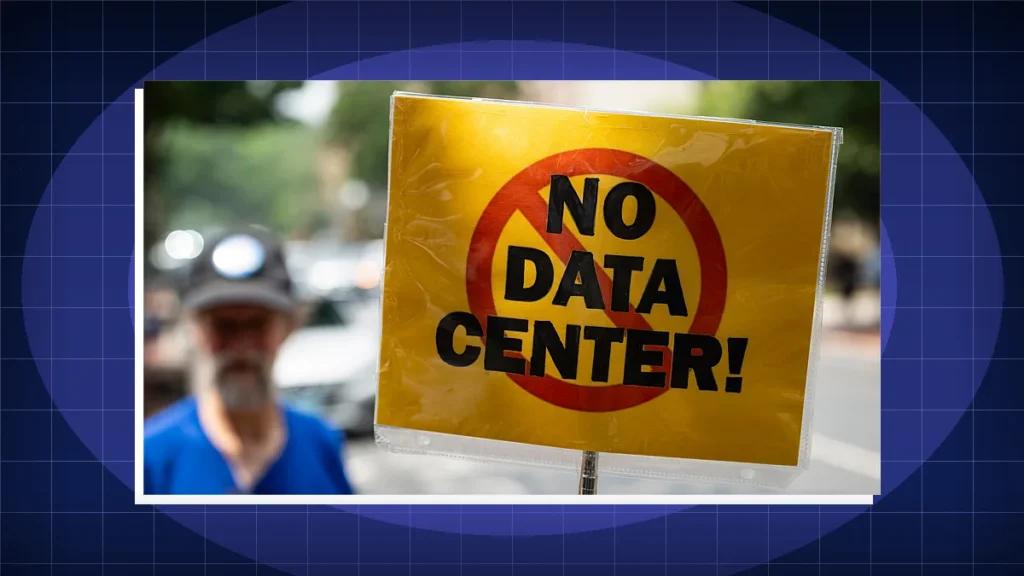
In 2026, US data center protests spike as residents cite soaring utility costs and noise, not anti‑AI sentiment. Experts say NDAs keep developers in the shadows, fueling distrust.
The Real Drivers Behind Data Center Protests
Recent polls across the United States show a clear shift in public opinion toward data center expansion. While the tech industry often frames opposition as an anti‑AI backlash, the data tells a different story. Residents are primarily concerned about rising local utility rates and the relentless noise that accompanies massive server farms.
Why Utility Hikes Matter
Utility costs have climbed steadily over the past decade, and data center operators rely heavily on local power grids to run their cooling systems and servers. The latest surveys indicate that a majority of respondents see the increased electricity bills as a direct burden on their communities, especially in rural areas where the grid infrastructure is aging.
Noise: The Silent Saboteur
Beyond the financial strain, noise pollution has become a tangible issue. Data centers often employ high‑capacity cooling fans and server racks that generate constant hums and intermittent thumps. Residents near proposed sites report disruptions to sleep patterns and local wildlife, leading to organized protests and town hall meetings.
NDAs and the Trust Gap
Developers routinely engage in confidential negotiations with local governments, protected by non‑disclosure agreements. While firms argue that NDAs prevent insider‑trading violations, the public perceives them as a cloak for opaque decision‑making. Calls for transparency have intensified, with community groups demanding open forums and detailed environmental impact reports.
| Factor | Impact |
|---|---|
| Utility Rate Increase | High |
| Noise Pollution | Significant |
| Community Transparency | Low |
What This Means for the Tech Landscape
These findings suggest that the next wave of data center development will need to address community concerns head‑on. Innovations in energy efficiency—such as liquid cooling and renewable integration—are already being touted by industry leaders. However, without public trust, even the most technically advanced solutions may face hurdles.
Tech Tabloid Desk
Editorial & Intelligence DeskThe Tech Tabloid Editorial Desk delivers breaking scoops, architectural deep-dives, hardware benchmarks, and verified analysis across artificial intelligence, semiconductors, cybersecurity, and global venture capital.