
Coupang Dispute Sparks US Tariff Storm on Korea
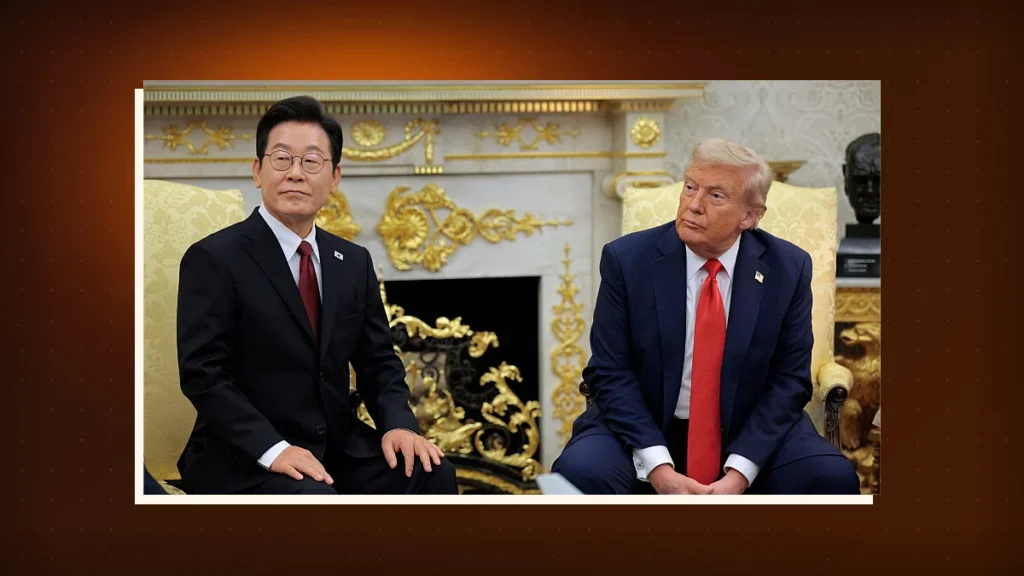
When US lawmakers accused South Korea of unfairly targeting Coupang, the e‑commerce titan’s tech‑driven logistics network came under scrutiny. The fallout could reshape global supply chains.
From Allegations to Action: The Anatomy of a Trade Tangle
In early 2026, a congressional investigation into South Korea’s treatment of the U.S.‑based e‑commerce giant Coupang reached a fever pitch. The House Oversight Committee released a report accusing the Korean government of implementing policies that disadvantaged Coupang’s cross‑border operations, citing a series of regulatory hurdles that were not applied to domestic competitors. Seoul, however, dismissed the claims as “unsubstantiated and politically motivated.” The backlash set the stage for a new wave of tariff pressure that could ripple through the tech supply chain.
At the heart of the dispute lies a complex web of logistics, data‑driven fulfillment, and semiconductor supply. Coupang’s “Rocket Delivery” system—an AI‑optimized network that guarantees same‑day delivery in the Seoul metropolitan area—has become a benchmark for e‑commerce platforms worldwide. The company’s reliance on Korean chip manufacturers for its proprietary routing algorithms and warehouse robotics makes it a prime target for any tariff that hits semiconductor exports.
AI‑Powered Fulfillment and the Risk of Tariff Shock
Coupang’s fulfillment strategy hinges on a distributed network of 300+ micro‑warehouses, each equipped with autonomous sorting robots and machine‑learning models that predict demand spikes. The company’s logistics software, developed in partnership with Samsung Electronics, processes millions of data points daily to route parcels in real time. A tariff on Korean semiconductor exports would increase the cost of these critical components, potentially throttling the speed and reliability that have defined Coupang’s brand promise.
Beyond hardware, the company’s cloud infrastructure—hosted on AWS and Azure—relies on Korean‑manufactured servers and cooling systems. Tariffs could force Coupang to renegotiate supplier contracts, diverting capital from R&D to cost containment. The ripple effect would extend to South Korea’s broader tech ecosystem, where many startups depend on the same supply chain nodes.
Impact on the Global Supply Chain
The new tariff pressure threatens to destabilize the already fragile global electronics market. South Korea is the world’s second‑largest semiconductor exporter, supplying chips that power everything from smartphones to autonomous vehicles. A sudden hike in tariff rates could push downstream manufacturers to seek alternative suppliers, accelerating a shift toward diversified sourcing strategies. Companies like Apple, Google, and Tesla, which rely on Korean fabs for high‑performance chips, might face delays or increased unit costs.
Moreover, the dispute could catalyze a realignment of trade agreements. The United States and the European Union have expressed interest in strengthening ties with other Asian partners, potentially leading to a new bloc of tariff‑free agreements that exclude South Korea. This geopolitical shift would not only affect e‑commerce but also the broader technology landscape, influencing where future data centers and R&D hubs are established.
Statistical Snapshot of Coupang’s Scale
Comparing Logistics Giants
| Platform | AI‑Driven Fulfillment | Delivery Speed | Market Share |
|---|---|---|---|
| Amazon | Yes | 2‑Day | 40% US |
| Coupang | Yes | Same‑Day | 30% SK |
| Alibaba | Yes | 2‑3 Days | 50% CN |
Strategic Responses and the Path Forward
In response to the looming tariffs, Coupang has announced a multi‑year investment plan to diversify its supply chain. The company is exploring partnerships with Taiwanese and Japanese chipmakers, while also expanding its own manufacturing footprint in the United States to reduce reliance on Korean components. These moves, however, will require significant capital outlay and could delay the rollout of next‑generation AI logistics tools.
On the policy front, the South Korean government is engaging with the United States to negotiate a bilateral framework that would protect key tech sectors while maintaining a level playing field. The outcome of these negotiations will set a precedent for how trade disputes are resolved in an era where software and hardware are inseparable.
For consumers, the immediate effect may be a slight uptick in delivery times for cross‑border purchases. However, the long‑term implications could reshape the competitive landscape of e‑commerce, compelling platforms to invest more heavily in AI and robotics to maintain speed and efficiency.
As the dispute unfolds, tech analysts will be watching closely how quickly supply chains adapt and whether new tariffs will accelerate the migration of semiconductor production to other regions. The stakes are high: a shift in tariff policy could redefine the global technology supply chain, alter the competitive dynamics of e‑commerce, and reshape the future of AI‑powered logistics.
Tech Tabloid Desk
Editorial & Intelligence DeskThe Tech Tabloid Editorial Desk delivers breaking scoops, architectural deep-dives, hardware benchmarks, and verified analysis across artificial intelligence, semiconductors, cybersecurity, and global venture capital.