
BlackBerry Shifts Gears: From Phones to Car & Robot Software
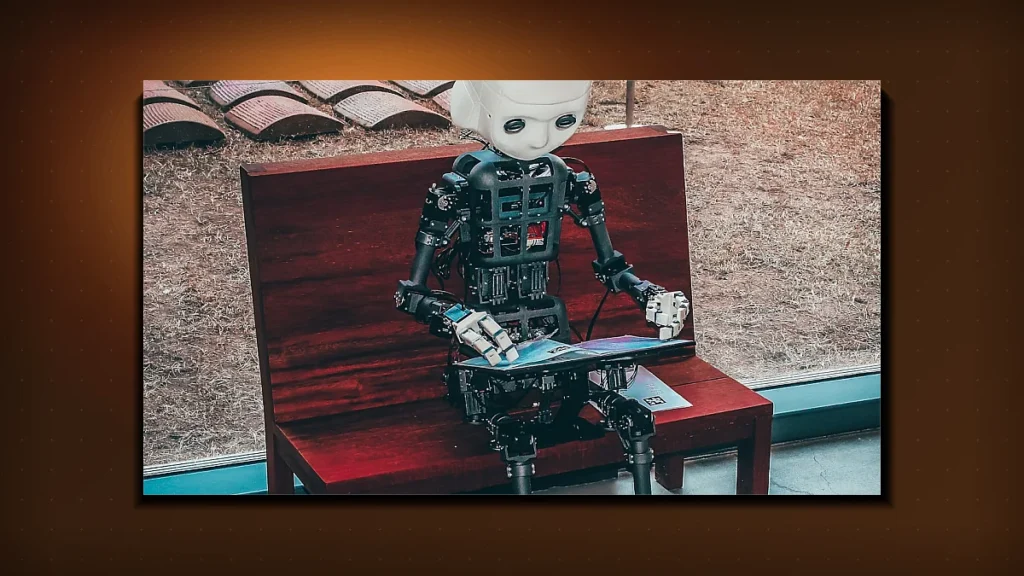
After abandoning the handset market, BlackBerry is betting its future on software that powers cars and robots, leveraging its QNX heritage to compete in the embedded systems arena.
From Keyboard to Car Console
When BlackBerry announced the end of its smartphone production line a decade ago, the tech world assumed the Canadian firm was destined for a quiet exit. Instead, the company has quietly rebuilt its identity around the very software that once powered those iconic keyboards: QNX, a real‑time operating system now steering infotainment suites, autonomous‑driving stacks, and industrial robots.
The QNX Architecture Reimagined for Vehicles
QNX has long been prized for its microkernel design, which isolates critical functions into separate processes, guaranteeing deterministic response times even under heavy load. In the automotive world, that translates to a fault‑tolerant infotainment system that can keep the navigation alive while a crash‑avoidance module runs its own safety‑critical code.
BlackBerry’s latest automotive SDK builds on this foundation with three layers:
- Core Services: Secure boot, over‑the‑air (OTA) updates, and hardened cryptography.
- Domain Libraries: Pre‑validated stacks for ADAS, V2X communications, and high‑definition mapping.
- Application Framework: A Qt‑based UI toolkit that lets OEMs customize the driver experience without compromising safety certifications.
Why the microkernel matters
Unlike monolithic Linux distributions that bundle drivers and services together, QNX’s separation means a failure in the entertainment app cannot cascade into the braking system. This architectural advantage is a key selling point in a market where functional safety standards (ISO 26262, ASIL‑D) are non‑negotiable.
Robotics: Extending the Same Stack
BlackBerry’s robotics push mirrors its automotive strategy. The company’s Robot Operating System (ROS) integration layer runs atop QNX, offering deterministic task scheduling for industrial arms, autonomous mobile robots, and even humanoid platforms.
By leveraging the same secure OTA pipeline used in cars, BlackBerry promises to push firmware patches to factory floors without halting production lines. Early adopters include a Canadian mining consortium that retrofitted its autonomous haul trucks with the QNX‑ROS bridge, reporting a 12% reduction in unplanned downtime.
Hardware‑agnostic abstraction
The robotics SDK abstracts sensor drivers (LiDAR, depth cameras, force‑torque sensors) behind a unified API, allowing OEMs to swap components without rewriting control loops. This mirrors the “write once, run everywhere” mantra that once defined BlackBerry’s mobile apps.
Competitive Landscape and Partnerships
BlackBerry’s primary rivals in the embedded‑systems space are:
| Company | Core OS | Key Automotive Clients | Robotics Focus |
|---|---|---|---|
| BlackBerry | QNX (microkernel) | Ford, Hyundai, Renault | Industrial & Mining |
| Microsoft | Windows Embedded | Volkswagen, Toyota | Collaborative Robots |
| Android Automotive | General Motors, Honda | Service Robots |
Strategic OEM agreements disclosed in the CNBC interview highlight BlackBerry’s focus on Tier‑1 suppliers rather than direct automaker branding. This mirrors the company’s earlier “software‑first” approach that kept it relevant after the handset era.
Developer Ecosystem and Real‑World Deployments
To accelerate adoption, BlackBerry launched a developer portal in early 2026 offering:
- Free access to QNX sandbox environments.
- Certification kits for ISO 26262 compliance.
- Community‑driven sample code for ROS integration.
Since the portal’s launch, over 300 developers have submitted modules, ranging from predictive maintenance analytics to voice‑controlled cabin assistants. Notably, a startup in Berlin used the QNX‑ROS stack to power a delivery robot that navigates sidewalks using a combination of LiDAR and computer‑vision AI, all while receiving OTA security patches from BlackBerry’s cloud service.
Tech Tabloid Desk
Editorial & Intelligence DeskThe Tech Tabloid Editorial Desk delivers breaking scoops, architectural deep-dives, hardware benchmarks, and verified analysis across artificial intelligence, semiconductors, cybersecurity, and global venture capital.