
Atari Unleashes $1K Cartridge Reviving 39 Activision Classics
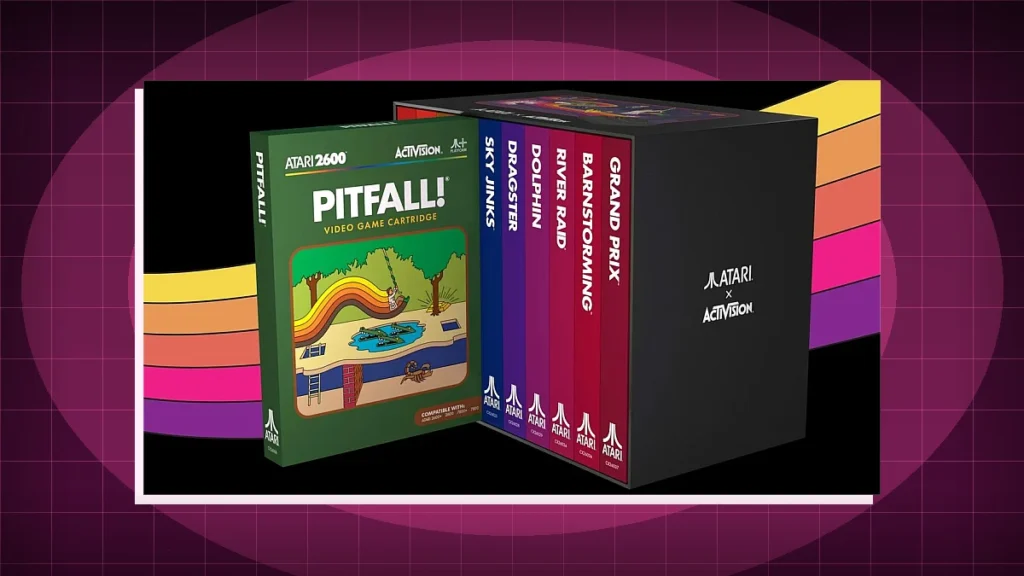
Atari and Activision drop a $1,000 cartridge that lets you play 39 legendary titles on everything from a 1977 Atari 2600 to a 2026 retro console, while regulators grapple with hazardous data‑center chemicals.
From 1977 to 2026: One Cartridge, 39 Legends
Atari has partnered with Activision to ship the Atari × Activision Collection, a physical cartridge that houses 39 of the most iconic Activision games ever released on the Atari 2600 platform. What makes the set astonishing is its claim to run seamlessly across five decades of hardware—from the original wood‑grain Atari 2600 consoles still in basements today to modern retro‑gaming rigs released in the 2020s.
Engineering a Universal Cartridge
Creating a cartridge that talks to hardware spanning 50 years required more than a nostalgic PCB. Atari’s engineering team retro‑engineered a multi‑bank ROM architecture that dynamically maps to the memory constraints of each console generation. The cartridge contains a 2 MB flash chip—tiny by today’s standards but massive compared to the original 4 KB cartridges of the late 1970s. A built‑in microcontroller detects the console’s bus width and timing, then presents the appropriate memory map, ensuring that classic titles like River Raid and Pitfall! run without the timing glitches that have plagued earlier homebrew attempts.
Price Tag That Stuns Collectors
At $999.96, the collection lands in a price tier usually reserved for limited‑edition GPUs or high‑end laptops. Atari justifies the cost by emphasizing the “ultimate deluxe” packaging: a hand‑stitched leather case, a 48‑page archival booklet, and individually numbered cartridges (1‑999). For the collector market, the price aligns with recent high‑value retro releases, such as the 2023 limited‑run Nintendo Switch OLED “Game of the Year” bundles that fetched similar premiums.
Cultural Resonance of Reviving Activision Classics
Activision’s early catalog helped define the video‑game industry’s first decade. By re‑releasing titles like H.E.R.O., Kaboom!, and Combat, Atari taps into a growing nostalgia economy that has seen vintage consoles outsell new hardware in several quarters. The collection also serves an educational purpose: developers can study the original code‑bases on modern hardware, gaining insight into early optimization techniques that remain relevant for ultra‑low‑power IoT devices.
Regulatory Shadows: Data‑Center Chemical Controversy
While Atari celebrates a retro‑gaming triumph, the broader tech ecosystem faces a stark reminder of modern manufacturing risks. The Environmental Protection Agency (EPA) is now under lawsuit for allegedly fast‑tracking approval of a class of chemicals used in data‑center photolithography. These “photoacid generators” (PAGs) are essential for etching semiconductor patterns but have been linked to severe health outcomes, including sudden cardiac death, according to the filing. Moreover, the chemicals belong to the PFAS family—persistent “forever chemicals” that resist environmental degradation.
Tom’s Hardware reported that the lawsuit claims the EPA’s expedited approval bypassed standard toxicology reviews, exposing workers in semiconductor fabs and data‑center maintenance crews to long‑lasting contaminants. The case underscores a tension: as the industry pushes ever‑smaller nodes and higher data‑center densities, the chemical supply chain’s safety protocols lag behind.
Implications for Hardware Makers
Manufacturers like Intel, TSMC, and emerging AI‑chip startups must now reckon with potential regulatory tightening. If the EPA’s practices are deemed unlawful, future semiconductor fabs may face stricter chemical‑use disclosures, increased monitoring, and possibly higher production costs. For retro‑hardware enthusiasts, the controversy is a reminder that even nostalgic products sit atop a modern supply chain fraught with environmental challenges.
| Metric | Original 2600 Cartridge | Atari × Activision Deluxe |
|---|---|---|
| ROM Capacity | 4 KB (typical) | 2 MB Flash |
| Price (USD) | $5‑$10 (original retail) | $999.96 |
| Compatibility Span | 1977‑1985 | 1977‑2026 (5 decades) |
What This Means for the Gaming Landscape
The Atari × Activision cartridge is less about profit margins and more about setting a technical benchmark. By proving a single physical medium can bridge half a century of console evolution, Atari demonstrates a roadmap for future preservation efforts—think of “one‑click” archival cartridges for arcade boards, early handhelds, and even early mobile phones.
At the same time, the EPA lawsuit highlights that the industry’s forward march is not without cost. As chipmakers chase ever‑faster performance, the chemicals that enable those advances may soon face tighter scrutiny, potentially reshaping supply‑chain dynamics for the next generation of data‑center hardware.
Disclosure: Tech Tabloid may earn an affiliate commission from qualifying purchases through Amazon links on this page at no additional cost to you.
Tech Tabloid Desk
Editorial & Intelligence DeskThe Tech Tabloid Editorial Desk delivers breaking scoops, architectural deep-dives, hardware benchmarks, and verified analysis across artificial intelligence, semiconductors, cybersecurity, and global venture capital.