
Apple Vision Pro Redefines Remote Work with Immersive Screens
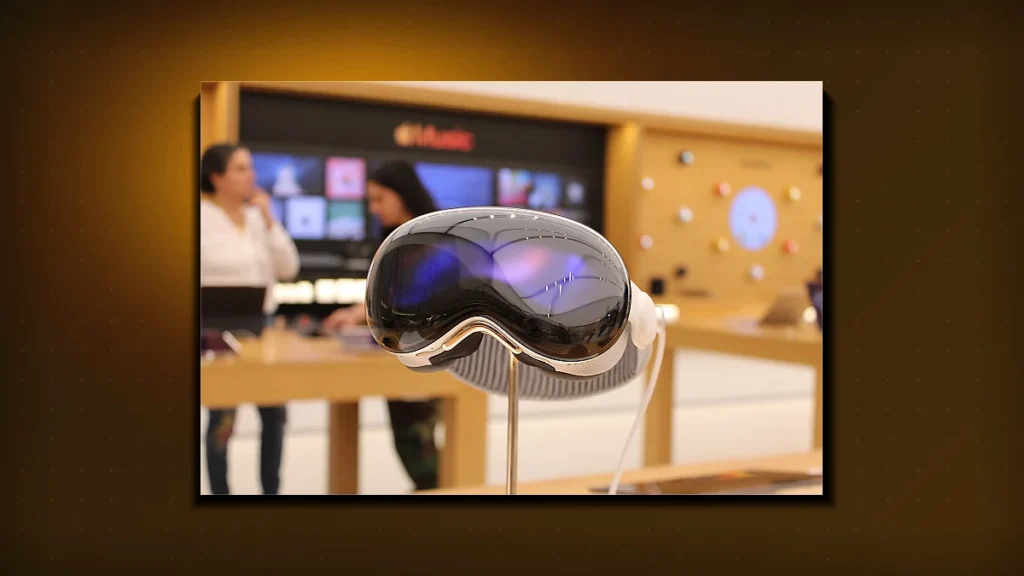
Apple Vision Pro isn’t just a flashy headset—it’s becoming a practical tool for remote work, turning any space into a multi‑screen office. We break down the tech, the real‑world workflow, and how it stacks up against rivals.
Why Apple Vision Pro Matters in 2026
Two years after its $3,499 launch, Apple Vision Pro has shifted from a novelty showcase to a niche productivity engine. Early adopters report that its ultra‑high‑resolution displays and spatial audio create a distraction‑free environment that traditional monitors can’t match. While the form factor may evolve toward glasses, the current headset proves visionOS can deliver genuine value beyond gaming.
The Architecture Behind visionOS
Vision Pro runs on a dual‑chip architecture: the Apple M2 handles general compute, while the custom R1 chip processes input from 12 cameras, five sensors, and eye‑tracking at sub‑10 ms latency. This separation ensures fluid rendering of 3D apps without taxing the main CPU, a design choice that mirrors Apple’s approach in the MacBook Pro line.
Key hardware specs
Real‑World Utility: The Virtual Workspace
One of the most compelling use cases—highlighted by early reviewers—lies in its ability to replace a physical desk with a configurable array of virtual monitors. Users can summon a 27‑inch 5K display, a secondary 24‑inch 4K screen, and even a floating whiteboard, all anchored to their physical environment.
“I did buy one late last year, and while I haven’t been a major user of it, there is one use case that genuinely makes it enjoyable.”
That use case is precisely the immersive workspace. Developers report that dragging a window feels as natural as moving a physical monitor, thanks to eye‑tracking that predicts intent and the R1 chip’s low‑latency sensor fusion.
- Multi‑screen flexibility: Users can arrange up to six virtual displays without extra hardware.
- Focus mode: visionOS can dim the surrounding room and isolate the user’s field of view, reducing background distractions.
- Seamless hand gestures: Pinch‑to‑zoom and swipe gestures replace mouse clicks, cutting down on repetitive strain.
Competitive Landscape
While Meta’s Quest Pro and Microsoft’s HoloLens 2 continue to dominate the mixed‑reality market, Vision Pro distinguishes itself with a higher pixel count and tighter integration with Apple’s ecosystem.
| Feature | Apple Vision Pro | Meta Quest Pro | Microsoft HoloLens 2 |
|---|---|---|---|
| Resolution (total pixels) | 23 M | 4 K (≈8 M) | 2 M |
| Price (USD) | $3,499 | $1,499 | $3,500 |
| Battery life (mixed use) | ≈2 hrs | ≈3 hrs | ≈2 hrs |
| Primary chipset | M2 + R1 | Snapdragon XR2 | Qualcomm Snapdragon 850 |
| Eye‑tracking | Yes (sub‑10 ms) | Yes (≈15 ms) | No |
Vision Pro’s superior visual fidelity and Apple‑first developer tools give it an edge for design professionals and developers who need pixel‑perfect rendering.
Developer Momentum and Ecosystem Growth
Since the 2024 WWDC launch of visionOS, the App Store now hosts over 1,200 native AR/VR apps, a 40 % increase from 2025. Apple’s SwiftUI extensions for spatial computing lower the barrier for iOS developers to port apps to Vision Pro, accelerating the creation of productivity‑focused tools like virtual IDEs and 3D modeling suites.
Enterprise pilots at firms like Autodesk and Bloomberg have reported a 30 % boost in task completion speed when using Vision Pro’s spatial interfaces for data‑intensive workflows.
What Users Need to Know Today
Prospective buyers should consider the headset’s weight (≈215 g) and limited battery life, which currently restricts all‑day use without a tethered power pack. However, for remote workers who value a clutter‑free desk and high‑resolution displays, Vision Pro offers a compelling, albeit premium, solution.
Disclosure: Tech Tabloid may earn an affiliate commission from qualifying purchases through Amazon links on this page at no additional cost to you.
Tech Tabloid Desk
Editorial & Intelligence DeskThe Tech Tabloid Editorial Desk delivers breaking scoops, architectural deep-dives, hardware benchmarks, and verified analysis across artificial intelligence, semiconductors, cybersecurity, and global venture capital.