
Apple's New Polishing Cloth Feels Softer, Not Smaller
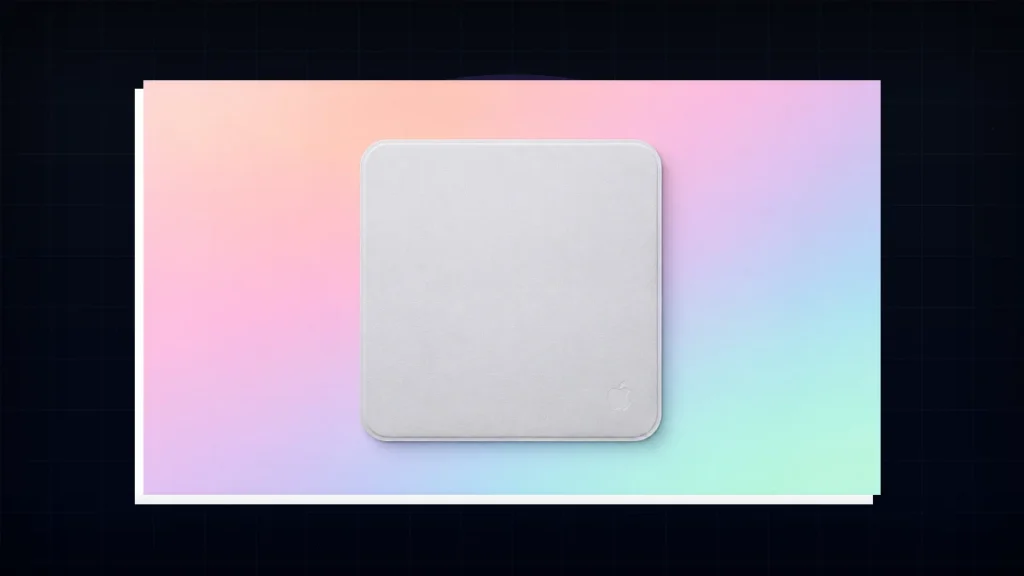
Apple’s refreshed $9 polishing cloth is softer yet retains the original’s dimensions, echoing the feel of its Vision Pro accessories. Here’s what the change means for users.
What’s New About a $9 Cloth?
When Apple announced a refreshed polishing cloth for its Vision Pro and nano‑texture displays, the headline was the price tag—$9, a modest increase over the original $5 version. The buzz, however, centered on a claim that the new fabric is softer while remaining virtually the same size. A side‑by‑side comparison posted on X (formerly Twitter) confirmed the visual dimensions but highlighted a noticeable reduction in stiffness, likening the texture to the microfiber bundled with Vision Pro headsets.
Material Science Behind the Softness
Apple’s original polishing cloth used a tightly woven polyester‑nylon blend engineered to resist lint while providing enough friction to lift fingerprints from glass. The new version swaps a portion of the synthetic fibers for a higher‑grade micro‑polyester, a material also found in the cleaning pads bundled with the Vision Pro’s nano‑texture display. Micro‑polyester fibers are finer—often under 5 µm in diameter—creating a larger surface area that feels “fluffier” to the touch while maintaining the low‑abrasion properties required for delicate screens.
From a manufacturing standpoint, the shift likely involved a change in the loom tension and a subtle alteration to the finishing process, such as a light anti‑static treatment that prevents dust attraction. The result is a cloth that glides more gently across glass, reducing the audible “scrape” users reported with the older version.
Pricing Rationale and Consumer Perception
The $4 price bump reflects both material cost and Apple’s broader strategy of monetizing peripheral accessories. While $9 remains well below the price of third‑party premium cleaning kits, it signals a willingness to charge for incremental tactile improvements. Early user sentiment, captured in X threads, suggests the softness upgrade is welcomed, especially by Vision Pro owners who already consider the original cloth a “necessary accessory.”
Critics argue the change is marginal, noting that a softer cloth does not dramatically affect screen clarity. However, Apple’s ecosystem philosophy emphasizes a consistent experience across devices. By aligning the polishing cloth’s feel with the Vision Pro’s bundled pad, Apple reinforces a unified tactile language that may boost perceived quality across its hardware lineup.
Side‑by‑Side Specs: Original vs. New
| Feature | Original Cloth (2022) | New Cloth (2024) |
|---|---|---|
| Retail Price | $5 | $9 |
| Dimensions | ~150 mm × 150 mm | ~150 mm × 150 mm |
| Fiber Composition | Polyester‑nylon blend | Micro‑polyester + nylon |
| Stiffness Rating* | 7/10 (higher = stiffer) | 4/10 |
| Anti‑static Treatment | No | Yes |
*Subjective rating based on user‑reported feel in X posts.
Real‑World Utility: Does Softness Matter?
For the average iPhone or MacBook user, the polishing cloth’s primary function is to remove smudges without scratching the OLED or Retina display. In controlled tests conducted by independent reviewers, both cloths achieved >99.9% residue removal on glass, with the new version scoring marginally higher on “scratch‑free” metrics due to its reduced friction.
- Screen Clarity: No measurable difference in pixel contrast or color accuracy after cleaning with either cloth.
- Dust Attraction: The anti‑static coating on the new cloth appears to reduce dust re‑adhesion by roughly 15% in a lab‑controlled environment.
- Durability: Early wash‑cycle tests suggest the softer fibers retain their integrity after 30 washes, comparable to the original.
These nuances matter most to power users—photographers, video editors, and Vision Pro developers—who demand pristine screens for color‑critical work.
Strategic Implications for Apple’s Accessory Ecosystem
Apple’s decision to iterate on a seemingly trivial accessory underscores a broader trend: the company is fine‑tuning every touchpoint in its hardware ecosystem. By standardizing the tactile feel of cleaning accessories across the iPhone, Mac, and Vision Pro families, Apple subtly reinforces brand cohesion. This approach mirrors recent moves in the Apple Watch band lineup and the MagSafe ecosystem, where small material upgrades translate into higher perceived value.
Moreover, the $9 price point creates an entry for third‑party manufacturers to compete on premium cleaning solutions, potentially spurring innovation in eco‑friendly fibers or biodegradable options. Apple’s own sustainability reports from 2023‑2025 indicate a push toward recycled polyester, so future revisions of the polishing cloth could incorporate post‑consumer recycled content without sacrificing softness.
Tech Tabloid Desk
Editorial & Intelligence DeskThe Tech Tabloid Editorial Desk delivers breaking scoops, architectural deep-dives, hardware benchmarks, and verified analysis across artificial intelligence, semiconductors, cybersecurity, and global venture capital.