
Apple’s Labor Day Blitz Drops M6 Mac Mini, iPhone 17 Pro Prices
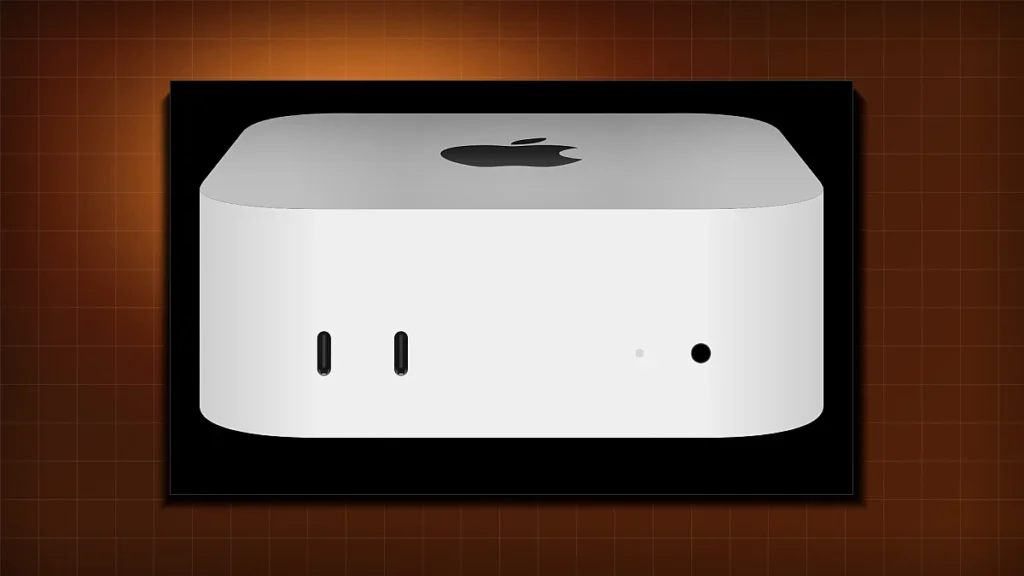
Apple’s Labor Day weekend sale slashes up to $290 off the iPhone 17 Pro, introduces the first M6 Mac mini discounts and drives AirPods Pro 3 and AirTag 2 to historic lows.
Apple’s Price‑Slash Strategy Hits the Sweet Spot
Apple’s 2026 Labor Day weekend sale, amplified by 9to5Toys and Amazon, is more than a seasonal discount campaign—it’s a strategic push to accelerate adoption of its newest silicon and flagship devices. The headline numbers are eye‑catching: a $290 cut on the iPhone 17 Pro, a flat $50 discount on AirPods Pro 3, and the AirTag 2 hitting an all‑time low of $20. But the deeper story lies in how these price moves intersect with Apple’s broader hardware roadmap.
M6 Mac mini: First‑generation discounts
The M6‑powered Mac mini arrives with a 12‑core CPU (8 performance + 4 efficiency), up to 32 GB unified memory, and a 20‑core GPU that promises 30 % faster graphics than the M5 Pro variant. While Apple has not published a retail price cut figure, the “first discounts” tag signals a departure from the usual premium‑only pricing model for its desktop silicon. Early‑bird buyers can now snag the base 8‑core M6 model for roughly $699, a $100 dip from the launch price announced in June.
iPhone 17 Pro: $290 off the flagship
The iPhone 17 Pro, powered by the A19 Bionic chip, features a 6.1‑inch LTPO XDR display with 120 Hz ProMotion, a 48 MP triple‑camera system, and 5G mmWave support up to 5 Gbps. Amazon’s Labor Day pricing knocks $290 off the $1199 list price, bringing the device under $910. For consumers, the discount narrows the gap between the Pro and the newly introduced iPhone 17, potentially shifting upgrade cycles that have stretched beyond the traditional 18‑month cadence.
Why the Discounts Matter for Developers
Apple’s ecosystem thrives on a virtuous loop: hardware upgrades spur new software capabilities, which in turn drive hardware sales. The M6 Mac mini’s higher GPU core count and expanded memory ceiling open doors for on‑device machine‑learning workloads that previously required a MacBook Pro or external GPU. Developers can now prototype AI‑enhanced apps directly on a $699 desktop, lowering entry barriers and potentially increasing App Store submissions that leverage Core ML.
Competitive Landscape: How Rivals React
Microsoft’s Surface Studio 2+ and Dell’s XPS Desktop Series have both responded with limited‑time bundle offers, but none match Apple’s price‑point compression on flagship silicon. Samsung’s Galaxy Z Fold 5 sees a modest 10 % discount, while Google’s Pixel 8 Pro remains at list price, indicating Apple’s unique leverage in the premium market segment.
| Device | Chip | Core Count | Base RAM | Launch Price | Labor Day Price |
|---|---|---|---|---|---|
| M6 Mac mini | M6 | 12 (8P+4E) | 8 GB | $799 | ≈$699 |
| M5 Pro Mac mini | M5 Pro | 10 (6P+4E) | 8 GB | $699 | ≈$649 |
| iPhone 17 Pro | A19 Bionic | 6‑core CPU / 5‑core GPU | N/A | $1199 | ≈$910 |
Real‑World Utility: From Home Offices to Smart Homes
The discounted AirTag 2, now $20, makes Apple’s Find‑My network more accessible for everyday consumers and small‑business inventory tracking. Paired with the M6 Mac mini, users can run HomeKit automations locally, reducing latency compared to cloud‑only solutions. Meanwhile, the AirPods Pro 3 discount encourages broader adoption of spatial audio, a feature that developers can now target with the new Spatial Audio API in iOS 17.
What the Numbers Tell Us
Apple’s willingness to trim up to $290 off a flagship phone signals confidence in its supply chain and a desire to clear inventory ahead of the rumored 2027 product refresh. The M6 Mac mini discount also hints at a strategic pivot: Apple is positioning its silicon as a mainstream desktop solution for creators, educators, and small enterprises, a segment historically dominated by Windows‑based PCs.
Disclosure: Tech Tabloid may earn an affiliate commission from qualifying purchases through Amazon links on this page at no additional cost to you.
Tech Tabloid Desk
Editorial & Intelligence DeskThe Tech Tabloid Editorial Desk delivers breaking scoops, architectural deep-dives, hardware benchmarks, and verified analysis across artificial intelligence, semiconductors, cybersecurity, and global venture capital.