
Apple Adds Digital Driver’s Licenses to iPhone Wallet in Oklahoma
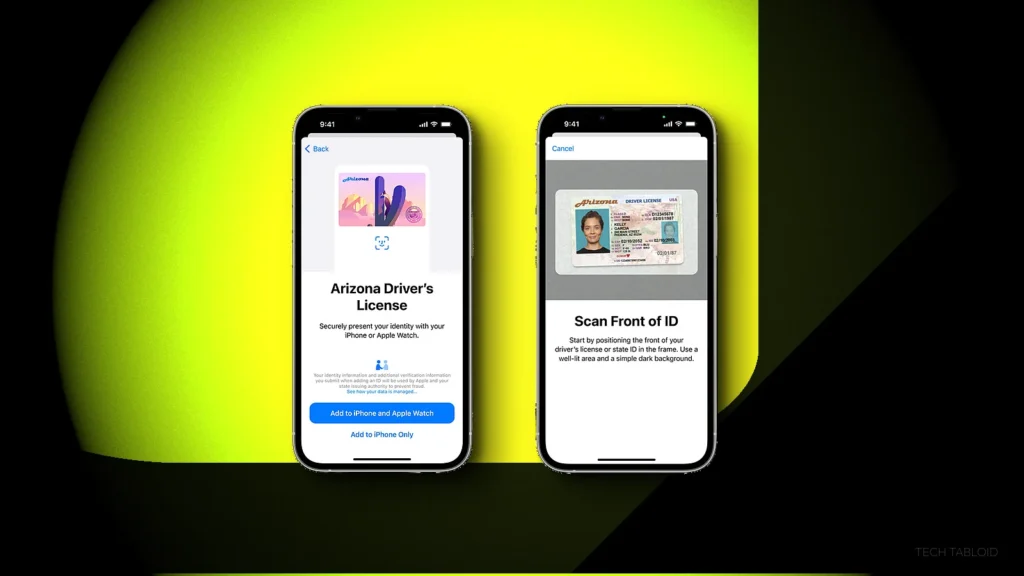
Apple expands its digital ID ecosystem by launching driver’s license support in Oklahoma, allowing residents to store licenses in iPhone Wallet. The move follows similar rollouts in other states, positioning Apple as a leader in mobile identity.
Apple’s Digital ID Leap
Apple’s new digital driver’s license feature for Oklahoma residents lets users add licenses to iPhone Wallet, streamlining ID verification for everyday transactions. The rollout, announced today, marks the first state to adopt the technology, following a quiet development phase that began in early 2024.
How the Wallet Integration Works
The integration leverages Apple’s existing Wallet framework, adding a new “Driver’s License” card type that stores encrypted license data, a QR code for verification, and a digital signature from the state’s Department of Motor Vehicles. When a user opens the Wallet app, the card appears alongside credit cards and boarding passes, providing a single‑tap solution for ID checks at banks, rental agencies, and government offices.
Security is built on the same hardware‑level enclave that protects Face ID and Touch ID. The license data is stored in the Secure Enclave, and the card can only be accessed with biometric authentication. Additionally, the state’s DMV issues a cryptographic certificate that Apple verifies against a public key infrastructure, ensuring that the license has not been tampered with.
State‑by‑State Rollout
While Oklahoma becomes the first state to launch the feature, other states are in various stages of discussion. Indiana lawmakers are actively debating a similar rollout, and the state’s DMV has requested a pilot program for the next fiscal year. The move is part of a broader trend toward digital identity, with several states already offering electronic driver’s licenses via web portals.
| Feature | Specification |
|---|---|
| Card Type | Driver’s License |
| Encryption | Secure Enclave, AES‑256 |
| Verification | QR code, digital signature |
| Biometric Access | Face ID/Touch ID |
| Expiration Display | Auto‑update from DMV database |
| Cross‑Platform | iPhone, Apple Watch |
Competitive Landscape
Apple’s move positions it ahead of competitors that rely on third‑party apps or web portals for digital ID. Google’s Android platform has announced a partnership with the Texas DMV to provide a similar service, but the integration requires a separate app and does not leverage the built‑in Wallet system. Samsung’s recent rollout of a digital ID feature for its Galaxy devices is still in beta, with limited state coverage.
Apple’s strategy mirrors its recent decision to drop Intel support for Mac developers, a move that underscored the company’s commitment to a unified, Apple‑controlled ecosystem. By bringing driver’s licenses into the Wallet, Apple expands the ecosystem’s reach into everyday identity verification, potentially reducing the need for physical documents across the country.
Implications for Users and Developers
For users, the primary benefit is convenience. A single tap on the Wallet card can replace a paper license at a bank, a rental car agency, or a border checkpoint. The integration also includes an expiration reminder that syncs with the state’s DMV database, alerting users to renew in advance.
Developers stand to gain from a standardized API for ID verification. The Wallet framework already exposes a set of interfaces that can be used to validate the digital license’s QR code and digital signature. This could lead to new app features that require quick identity checks, such as age‑restricted purchases or secure access to restricted areas.
Privacy advocates note that the data is stored locally and only transmitted during verification, minimizing the risk of data breaches. The encryption standards align with the U.S. Federal Trade Commission’s guidelines for digital ID security.
Final Thoughts
Apple’s launch of digital driver’s licenses in Oklahoma marks a significant step toward a fully mobile identity ecosystem. By leveraging its secure hardware, established Wallet platform, and state partnerships, Apple provides a seamless, secure, and privacy‑respecting solution that could become the industry standard. As more states adopt similar technology, the landscape of identity verification is poised for a digital transformation that aligns with Apple’s vision of a frictionless user experience.
Disclosure: Tech Tabloid may earn an affiliate commission from qualifying purchases through Amazon links on this page at no additional cost to you.
Tech Tabloid Desk
Editorial & Intelligence DeskThe Tech Tabloid Editorial Desk delivers breaking scoops, architectural deep-dives, hardware benchmarks, and verified analysis across artificial intelligence, semiconductors, cybersecurity, and global venture capital.