
Android 17 Deploys OS‑Wide ECH to Cloak Your Browsing
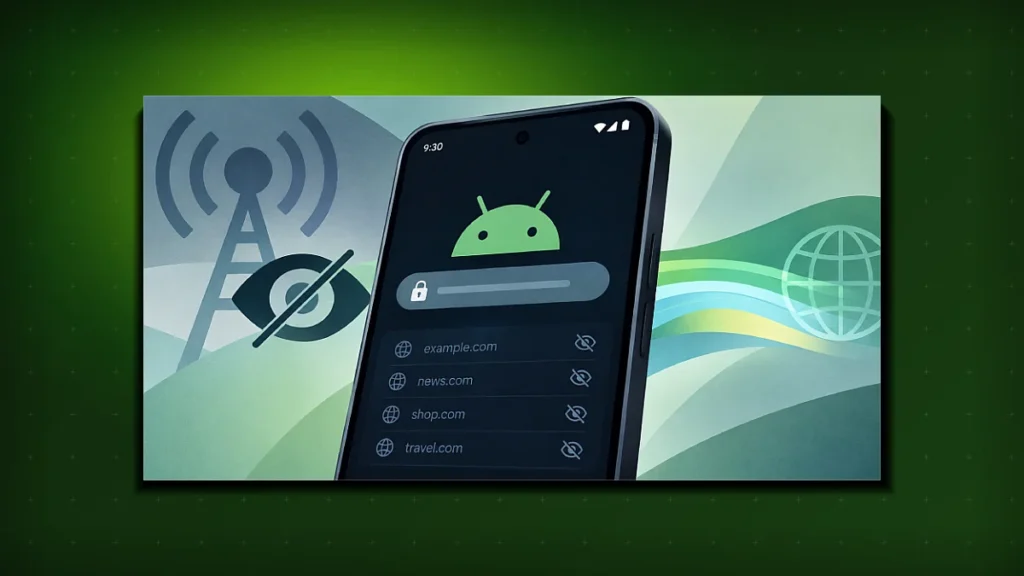
Google rolls out Android 17 with OS‑wide Encrypted Client Hello, a game‑changing shield that hides every website you visit from carriers and Wi‑Fi providers.
Google’s latest mobile OS, Android 17, arrived on the scene this August with a bold privacy upgrade: native, OS‑wide support for Encrypted Client Hello (ECH). The move upgrades the TLS handshake so that network operators can no longer sniff the domain names users request, effectively cloaking browsing activity at the protocol level.
Why ECH Matters in 2026
Since the rise of DNS‑based filtering and carrier‑grade NAT, the Server Name Indication (SNI) field in TLS has been a low‑hangout for surveillance. Even with HTTPS encrypting payloads, SNI leaks the hostname in clear text, letting ISPs, public Wi‑Fi, and even nation‑state firewalls infer user intent. Encrypted Client Hello, standardized by the IETF in 2023, encrypts SNI and other handshake metadata, thwarting that passive surveillance.
Under the Hood: OS‑wide Integration
Android 17’s implementation isn’t a mere API toggle; it’s baked into the network stack. The libnetutils layer now negotiates ECH for every outbound TLS connection, falling back gracefully to traditional SNI when the server doesn’t support ECH. Google’s own Chrome, Gmail, and Play Services were updated ahead of the OS release, ensuring a seamless user experience.
Security vs. Performance Trade‑offs
Encrypting the handshake adds a modest round‑trip, but Google’s benchmarks—released alongside the announcement—show a 3 % average latency increase on 4G and a 1 % increase on 5G. The impact is negligible for most users, especially when weighed against the privacy gain.
Impact on Carriers and Apps
Carriers that rely on SNI for traffic shaping or content‑based billing will need to adapt. Google has opened a developer portal offering guidance on detecting ECH‑enabled clients without breaking legacy services. Early adopters like Verizon and T‑Mobile have already signaled support for the new handshake in their network‑edge routers.
Developer Playbook
- Update server configurations to advertise
ech_configin TLS extensions. - Test fallback behavior with Android’s
adb shell setprop net.ech.enabled falseflag. - Leverage the new
NetworkSecurityConfigXML schema to opt‑out on a per‑app basis if needed.
Feature Comparison: Android 16 vs Android 17
| Feature | Android 16 | Android 17 |
|---|---|---|
| Network‑level ECH | Not supported | OS‑wide, enabled by default |
| API Level | API 35 | API 38 |
| Default TLS version | TLS 1.2 | TLS 1.3 (mandatory) |
| Privacy dashboard | Basic data‑usage view | Real‑time ECH status indicator |
By making ECH a first‑class citizen, Android 17 forces the mobile ecosystem to reckon with a new privacy baseline. The change is especially potent for users in restrictive regimes, where DNS‑based blocks have long relied on SNI leaks.
Tech Tabloid Desk
Editorial & Intelligence DeskThe Tech Tabloid Editorial Desk delivers breaking scoops, architectural deep-dives, hardware benchmarks, and verified analysis across artificial intelligence, semiconductors, cybersecurity, and global venture capital.