
Adata Urban Tapsafe 2TB Redefines Phone‑Locked Portable Storage
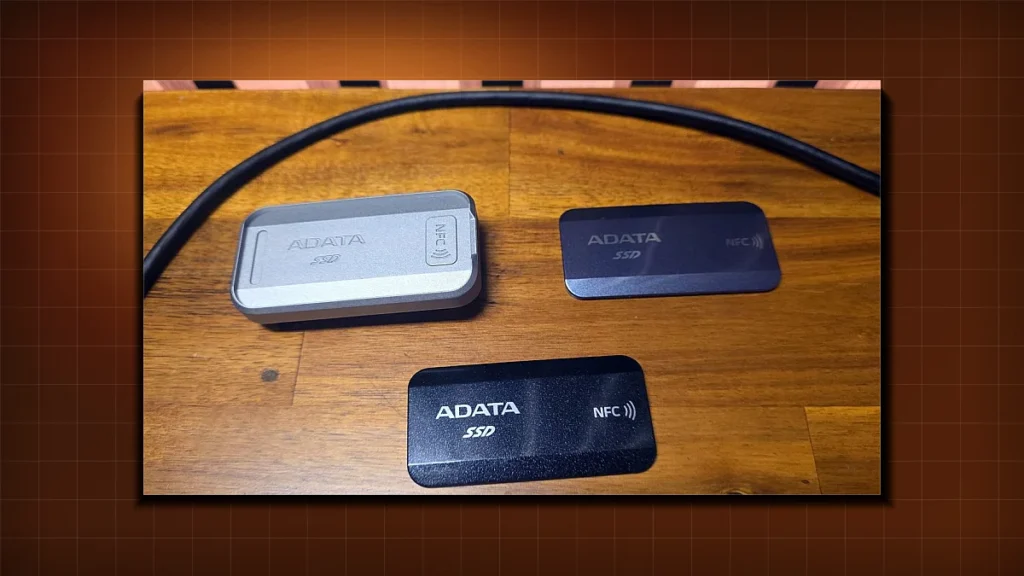
The Urban Tapsafe 2TB packs magnetic face plates, a metal clip, and phone‑based encryption into a pocket‑sized SSD. Our deep dive shows how those choices affect workflow, security, and competition.
Design That Clicks: Magnetic Face Plates and a Metal Clip
Adata’s Urban Tapsafe arrives in a matte‑black chassis that feels more like a tool than a flash drive. Two magnetic face plates snap on and off, letting users swap colors or replace a damaged plate without tools. A built‑in metal mounting clip slides onto a laptop’s side rail or a belt loop, turning the SSD into a true on‑the‑go accessory.
Security by the Phone: How the Unlock Works
Unlike traditional password‑protected drives, the Tapsafe leverages the user’s smartphone as the sole authentication token. After a one‑time pairing via Bluetooth Low Energy, the Adata app stores a cryptographic key on the phone’s secure enclave. When the SSD is plugged into any USB‑C host, the drive remains locked until the phone sends a signed unlock command.
This model eliminates the need to remember a PIN or carry a separate hardware token. The phone’s biometric lock (Face ID, fingerprint, or PIN) becomes the gatekeeper for the SSD’s data, inheriting the phone’s OS‑level security updates automatically.
Selective Sharing Made Simple
Beyond personal security, the app offers granular sharing controls. Users can generate time‑limited, read‑only or read‑write links that grant other phones access to specific folders. The recipient’s device must also run the Adata app, ensuring that only vetted endpoints can communicate with the drive.
Performance in the Real World
While Adata has not released a full benchmark suite, the drive advertises USB‑3.2 Gen 2×2 connectivity, which theoretically caps at 20 Gbps. In everyday tasks—copying 4 GB of 4K video, loading a 200‑MB game build, or moving a Lightroom catalog—the SSD feels on par with other high‑end portable drives on the market. The magnetic plates and metal clip add negligible weight, keeping the device under 100 g, which is ideal for field photographers and engineers.
Competitive Landscape: Where Does Tapsafe Fit?
Most portable SSDs focus on raw speed and durability. Samsung’s T7 series, SanDisk’s Extreme Pro, and Western Digital’s My Passport SSD all offer similar read/write rates but rely on static passwords or hardware encryption chips. Tapsafe’s differentiator is the dynamic, phone‑based authentication and the ability to revoke access instantly from the app.
That approach may appeal to enterprises with BYOD policies, as IT can enforce device compliance without deploying separate security dongles. For consumers, the convenience of a single unlock method—your phone—could reduce friction for frequent travelers who juggle multiple drives.
Spec Snapshot
| Feature | Specification |
|---|---|
| Capacity | 2 TB |
| Interface | USB‑C (USB 3.2 Gen 2×2) |
| Security | Phone‑based unlock via Adata app (BLE pairing) |
| Physical Design | Magnetic face plates, metal mounting clip |
| Operating Systems | Windows 10+, macOS 11+, Linux (kernel 5.10+) |
Use‑Case Verdict
For professionals who need quick, secure access to terabytes of data—field videographers, on‑site engineers, or remote consultants—the Urban Tapsafe offers a compelling blend of portability and modern authentication. Its performance matches the class, and its app‑centric security model could set a new baseline for portable storage.
Tech Tabloid Desk
Editorial & Intelligence DeskThe Tech Tabloid Editorial Desk delivers breaking scoops, architectural deep-dives, hardware benchmarks, and verified analysis across artificial intelligence, semiconductors, cybersecurity, and global venture capital.