
Apple Shifts App Store Leadership as Schiller Steps Down
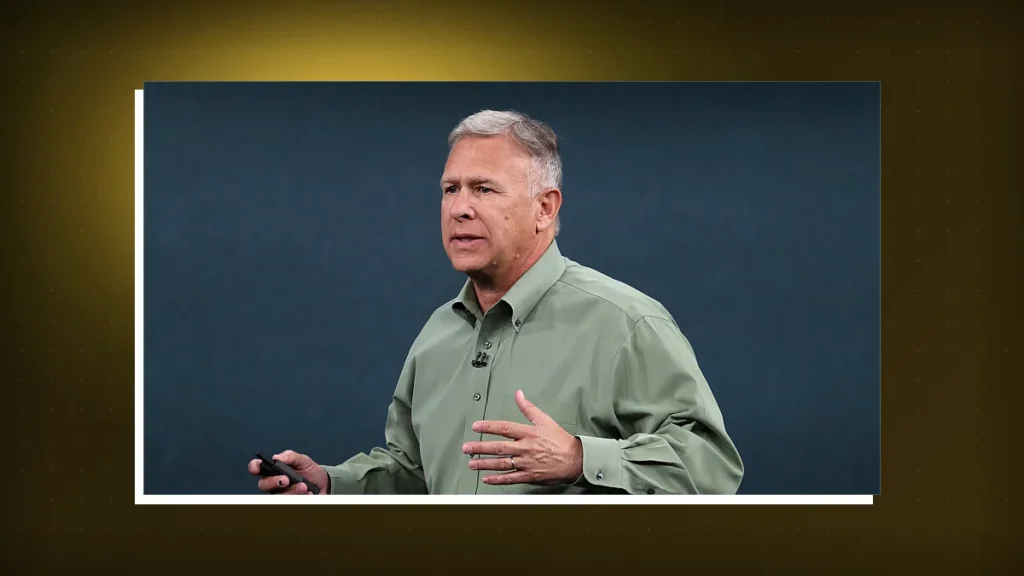
Apple has moved the reins of its App Store and event planning from veteran Phil Schiller to longtime executive Eddy Cue. This reshuffle signals a new era for the company’s developer ecosystem and event strategy.
Apple’s Quiet Power Shift
On September 1, 2026, Apple announced that Phil Schiller, the long‑time face of the App Store and key driver of its event strategy, will step down from his leadership role. The move is part of a broader transition that brings the App Store back under the stewardship of Eddy Cue, who has overseen services for fifteen years. The decision, confirmed by Bloomberg and CNBC, reflects Apple’s intent to streamline its internal architecture and sharpen its focus on developer experience.
Who Was Phil Schiller?
Schiller joined Apple in 1997 and rose to become the chief evangelist for iOS and the App Store. He was the voice behind the 2008 App Store launch and has guided the ecosystem through the rise of iPhone, iPad, and Apple Watch. Over the past two decades, Schiller has championed developer tools, in‑app purchases, and a developer‑first philosophy that helped the App Store grow to over 2.2 million apps.
Developer Impact
Schiller’s departure comes at a time when the App Store’s revenue is a key driver for Apple’s services segment. The platform has consistently generated more than $100 billion in annual revenue, with developers earning a significant share of that pie. Eddy Cue’s return is expected to bring continuity, as he has already managed the services side of Apple’s ecosystem, including iCloud, Apple Music, and Apple Pay.
Event Strategy
For years, Schiller was the face of Apple’s high‑profile product launches. His charismatic presentations and ability to translate complex technology into consumer‑friendly narratives were hallmarks of the event experience. Under Cue, Apple may pivot toward a more data‑driven, streamlined event model that emphasizes integration across services rather than a single product focus.
Stat Grid: The Numbers Behind the Shift
Leadership Comparison
| Role | Tenure | Key Initiatives |
|---|---|---|
| Phil Schiller – App Store Lead | 1997-2026 | App Store launch, developer tools, event presentations |
| Eddy Cue – Services Lead | 2001-2026 | iCloud, Apple Music, Apple Pay, App Store management |
What This Means for Developers
Developers will see a continuity of policy but a shift in focus. Cue’s experience with services suggests a tighter integration of App Store analytics, subscription management, and in‑app purchase optimization. The platform may also see new tools that streamline app monetization and data insights.
Developer Tools
- Enhanced App Store Connect analytics
- Improved subscription management APIs
- Greater emphasis on privacy‑first data sharing
Consumer Expectations
For consumers, the change should be invisible. The App Store’s user interface remains stable, and the quality of apps continues to be governed by Apple’s strict review process. However, the event experience may shift toward a more cohesive ecosystem narrative, highlighting services integration and cross‑device continuity.
Event Evolution
- Less focus on single product launches
- More emphasis on ecosystem upgrades
- Data‑driven storytelling with a focus on services
Industry Reactions
Tech analysts see the move as a strategic consolidation of Apple’s internal teams. By returning the App Store leadership to Eddy Cue, Apple can align its services strategy more closely with its developer ecosystem. The transition is expected to smooth internal workflows and accelerate new feature rollouts.
Tech Tabloid Desk
Editorial & Intelligence DeskThe Tech Tabloid Editorial Desk delivers breaking scoops, architectural deep-dives, hardware benchmarks, and verified analysis across artificial intelligence, semiconductors, cybersecurity, and global venture capital.