
Trump’s AI Blacklist Overturned, Anthropic Wins Legal Victory
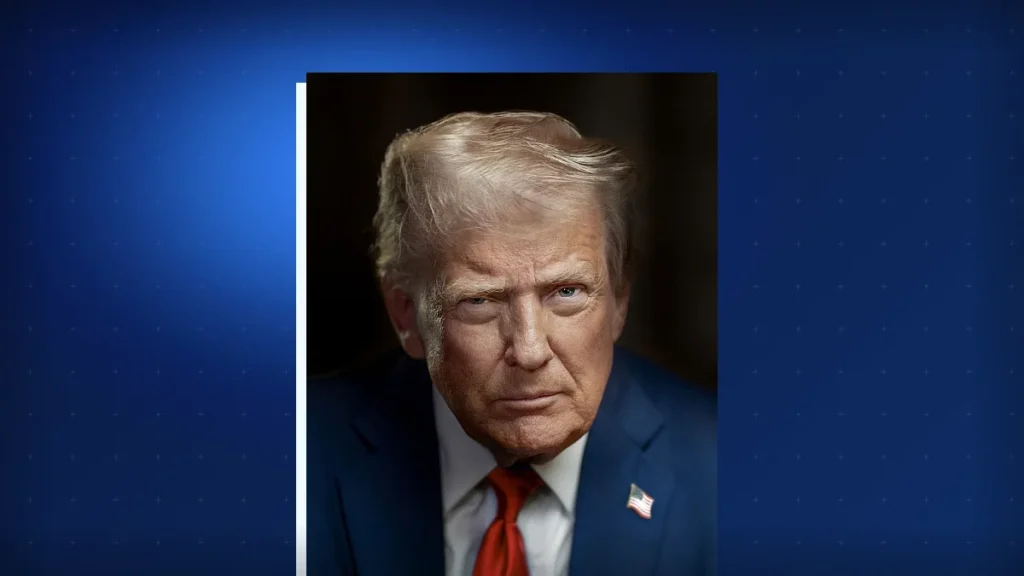
In a landmark ruling, a federal judge declared President Trump’s blacklisting of Anthropic illegal, underscoring the startup’s refusal to aid in lethal autonomous warfare and mass surveillance.
Trump’s AI Blacklist Overturned, Anthropic Wins Legal Victory
In a decision that reverberated across the tech ecosystem, a U.S. federal judge declared President Donald Trump’s blacklisting of AI startup Anthropic illegal. The ruling not only restores Anthropic’s standing but also cements the company’s public commitment to ethical AI, explicitly refusing to support lethal autonomous warfare or mass surveillance.
From Blacklisting to Courtroom: The Legal Backdrop
During the 2024 administration, the Trump administration issued a blacklisting order that targeted several AI firms, citing concerns over national security and ethical compliance. Anthropic, founded by former OpenAI researchers, was singled out for its outspoken policy that bars it from providing services for lethal autonomous weapons or mass surveillance systems. The order effectively barred the company from federal contracts and certain commercial opportunities.
Anthropic’s legal team challenged the blacklist, arguing that it violated the First Amendment and constituted unlawful discrimination against a private enterprise. The case escalated to a federal district court, where the judge reviewed the administration’s justification and the company’s policy statements.
Policy at the Core: Why Anthropic Took a Stand
Anthropic’s policy framework, often referred to as the “Constitution,” is built around three core tenets: safety, transparency, and alignment. The policy explicitly states that the firm will not develop or deploy AI systems for lethal autonomous weapons or mass surveillance. This stance differentiates Anthropic from other industry players that have engaged in partnerships with defense contractors or government surveillance projects.
By refusing to support these high-risk applications, Anthropic positioned itself as a “woke” AI firm—an identity that the Trump administration used to justify the blacklist. The federal court found that the blacklist was based on political ideology rather than legitimate security concerns, thereby rendering it illegal.
Implications for AI Governance and Market Dynamics
The ruling sends a clear message: executive orders cannot override a company’s internal ethical guidelines without substantial evidence. It also underscores the growing importance of policy transparency in the AI sector. Companies that adopt robust, publicly documented ethical frameworks may find themselves better protected against political or regulatory overreach.
From a market perspective, the decision may influence how AI firms negotiate government contracts. The precedent suggests that firms can maintain a principled stance on sensitive applications without fear of punitive blacklisting, provided they can demonstrate that their policies do not pose a direct national security threat.
Technical Architecture Behind Anthropic’s Policy Engine
While the company’s policy is public, its enforcement relies on a combination of internal review boards and automated compliance checks. Anthropic’s policy engine, a lightweight inference pipeline, flags any request that falls under the prohibited categories. The system logs all flagged requests and routes them to a human compliance team for final adjudication. This layered approach ensures both speed and accuracy in upholding the company’s ethical commitments.
| Policy Element | Status |
|---|---|
| Lethal Autonomous Warfare | Prohibited |
| Mass Surveillance | Prohibited |
Beyond the Court: Anthropic’s Road Ahead
With the blacklist lifted, Anthropic can refocus its resources on developing general-purpose AI models that emphasize safety and alignment. The company plans to expand its partnership network, especially with academia and non-profit organizations that share its ethical vision. This strategic shift is expected to accelerate the deployment of AI solutions in education, healthcare, and public services—areas where Anthropic’s policy framework offers a competitive advantage.
Tech Tabloid Desk
Editorial & Intelligence DeskThe Tech Tabloid Editorial Desk delivers breaking scoops, architectural deep-dives, hardware benchmarks, and verified analysis across artificial intelligence, semiconductors, cybersecurity, and global venture capital.