
Glass Substrates Finally Qualified, Still Missing Market Debut
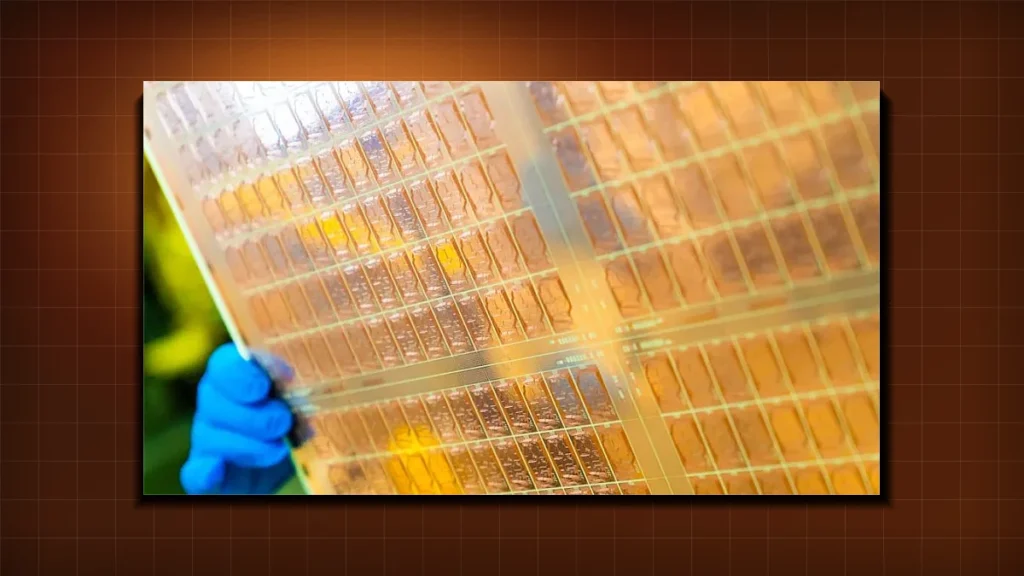
Intel’s glass-core substrates, long touted as the future of chip packaging, have finally cleared final qualification—but no commercial product has yet adopted the technology. The industry watches as the first product keeps slipping.
Glass-First: The End of Organic Packaging?
In a quiet but pivotal shift, Intel’s long‑promised glass-core substrate—codenamed Absolic—has slipped through its final qualification stage. The move, announced in September 2023, aimed to replace the ubiquitous organic polymer layers that have been the backbone of chip packaging for decades. Yet, despite the certification milestone, no silicon die has yet been shipped to a commercial product.
What does this mean for the semiconductor supply chain? For designers, it signals a new set of constraints and opportunities: higher thermal conductivity, improved electrical isolation, and the potential for thinner, lighter boards. For manufacturers, it heralds a shift in tooling, process control, and cost structures.
Why Glass Matters
Organic substrates—typically polyimide or other flexible polymers—have been prized for their low cost and ease of fabrication. However, they fall short when chips push beyond 5 nm nodes, where heat and signal integrity become critical. Glass, essentially silicon dioxide, offers superior thermal conductivity (roughly 1.4 W/m·K versus 0.3 W/m·K for polymers) and excellent dielectric properties, making it an attractive candidate for high‑performance applications.
Intel’s Absolic is engineered to integrate directly with silicon wafers, allowing for monolithic stacking and tighter interconnects. Theoretically, this could reduce power consumption by up to 10% in dense logic blocks, while also shrinking the overall die footprint.
Final Qualification: A Milestone, Not a Launch
Final qualification means the substrate has passed all the rigorous tests that a semiconductor material must endure: thermal cycling, mechanical stress, chemical resistance, and electrical performance. The test matrix typically includes >1,000 thermal cycles and >500 mechanical shock tests to simulate the harsh conditions of manufacturing and field operation.
Despite this success, the transition from qualification to production is a steep climb. The glass substrate must be integrated into existing fab lines, requiring new deposition equipment, handling robots, and quality control protocols. These changes are capital intensive and time‑consuming, which explains why no OEM has yet committed to a product line featuring Absolic.
Competitive Landscape
Intel is not alone. Samsung and TSMC have both announced pilot programs for glass packaging, while several niche foundries are exploring hybrid approaches that combine glass with organic layers to balance cost and performance. However, none have achieved a commercial release, and the market remains dominated by traditional organic solutions.
In the meantime, Intel’s partners—such as Apple and Nvidia—continue to rely on established packaging for their flagship chips. The absence of a commercial product underscores the industry’s cautious approach; the risk of re‑tooling large fabs is significant, and the payoff must be clear.
Technical Snapshot
Status
Current Adoption
Target Use‑Case
Feature Comparison: Glass vs. Organic
| Feature | Glass Substrate | Organic Substrate |
|---|---|---|
| Material | Silicon Dioxide (SiO₂) | Polyimide / PET |
| Thermal Conductivity | High (≈1.4 W/m·K) | Low (≈0.3 W/m·K) |
| Electrical Isolation | Excellent (εr≈3.9) | Good (εr≈3.5) |
| Manufacturing Complexity | High (requires CVD, precision etch) | Low (spin‑coat, bake) |
| Cost per mm² | Higher (≈$0.20–$0.30) | Lower (≈$0.05–$0.10) |
Even with the clear performance benefits, the higher cost and manufacturing hurdles mean that glass substrates are likely to find their first foothold in premium, high‑density chips—think data‑center accelerators or next‑gen GPUs—rather than in mainstream consumer devices.
Intel’s Absolic is a testament to the industry’s relentless push toward higher performance and tighter integration. But the journey from qualification to market is a marathon, not a sprint. Until a major OEM commits to a product line featuring glass packaging, the industry will continue to watch—and wait.
Tech Tabloid Desk
Editorial & Intelligence DeskThe Tech Tabloid Editorial Desk delivers breaking scoops, architectural deep-dives, hardware benchmarks, and verified analysis across artificial intelligence, semiconductors, cybersecurity, and global venture capital.