
Hackers Exploit MikroTik Routers via Open SSH
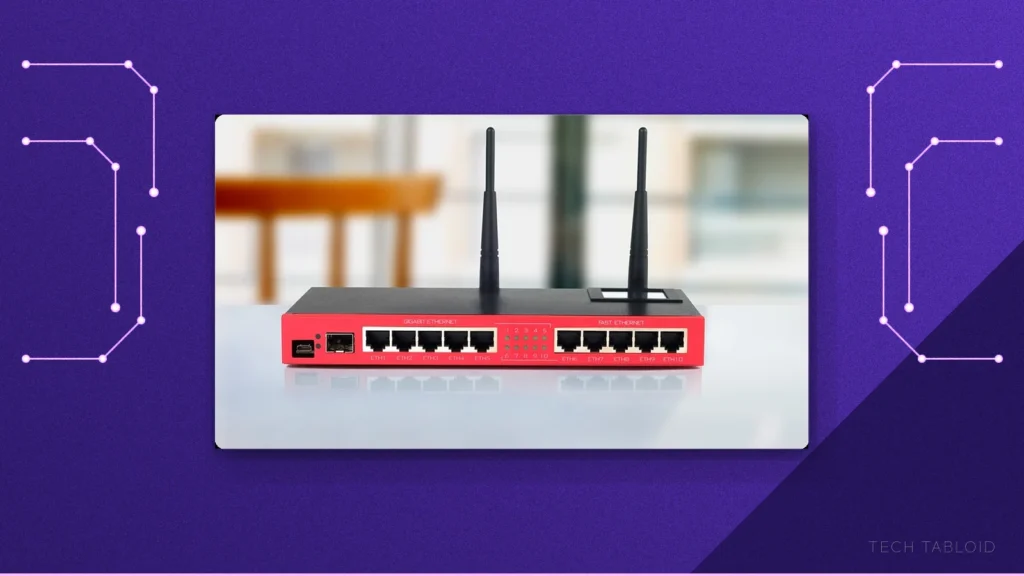
MikroTik routers now face a critical SSH flaw that lets attackers gain full admin control without authentication. Security teams urge immediate firmware updates and network hardening.
Attack Overview
Security analysts confirm that attackers have leveraged a flaw in MikroTik router’s SSH service, which is exposed to the internet, to gain unrestricted administrative access without any authentication. The vulnerability has been active since at least September 2, 2026, when CERT Polska issued a warning that the exploit could allow full control of the device. The warning notes that the SSH daemon accepts connections from the public internet and, due to a missing authentication step, allows any remote host to execute privileged commands.
How the Exploit Works
The MikroTik RouterOS operating system ships an SSH server that listens on the default port 22. By default, the service is enabled and reachable from outside the local network. The flaw lies in the way the daemon processes the initial handshake. When a client connects, the server sends a public key request, but it does not validate the client’s identity before granting a shell. Consequently, an unauthenticated user can issue arbitrary commands, including those that modify routing tables, change firewall rules, or install malware.
Immediate Impact on the Internet
Because MikroTik routers are widely deployed in small‑business, home, and industrial environments, the potential attack surface is vast. The exploit can be used to pivot into corporate networks, exfiltrate data, or create backdoors for future attacks. Early reports indicate that a handful of compromised devices have been observed in the wild, but the full scale of the outbreak remains unclear.
MikroTik’s Response
MikroTik has issued an advisory urging users to update to the latest RouterOS release, which includes a patch that hardens the SSH service by requiring key‑based authentication and disabling remote access by default. The company also recommends disabling port 22 on routers that are not required to be reachable from the public internet and enabling the built‑in firewall to block unsolicited inbound traffic.
Recommended Hardening Steps
- Upgrade to RouterOS 7.11 or later.
- Disable SSH or change the listening port to a non‑standard value.
- Enable two‑factor authentication for all administrative accounts.
- Restrict inbound SSH traffic to known IP addresses via firewall rules.
- Regularly audit router logs for suspicious connection attempts.
Broader Implications for IoT Security
The MikroTik incident underscores a persistent trend in the Internet of Things: devices shipped with default or weak security settings that expose critical services to the public network. Similar patterns have appeared in Wi‑Fi routers, industrial control systems, and even consumer appliances. As vendors push for faster time‑to‑market, they often omit rigorous security reviews, leaving attackers with a rich playground.
Industry Response
CERT Polska’s alert has prompted several regional security teams to scan their networks for exposed MikroTik devices. The warning also prompted a wave of discussions on the importance of secure defaults. Cybersecurity firms are now offering automated tools that can detect open SSH ports on MikroTik routers and verify whether the latest firmware is installed.
What Users Should Do Now
If you manage a MikroTik router, act immediately. Verify the firmware version with the command /system package print and compare it against the vendor’s list. If you are unable to upgrade, consider disabling the SSH service entirely by running /ip ssh disable. For networks that require remote management, set up a VPN tunnel and restrict SSH access to the VPN subnet.
Looking Beyond the Exploit
The attack demonstrates that even seemingly innocuous services can become a vector for full system compromise when left unsecured. The incident highlights the need for a security‑by‑default philosophy, where devices ship with minimal exposed services and require explicit configuration to open ports. As the IoT ecosystem expands, the industry must adopt stronger authentication mechanisms, such as mutual TLS, and provide clear guidance to users on securing their devices.
Disclosure: Tech Tabloid may earn an affiliate commission from qualifying purchases through Amazon links on this page at no additional cost to you.
Tech Tabloid Desk
Editorial & Intelligence DeskThe Tech Tabloid Editorial Desk delivers breaking scoops, architectural deep-dives, hardware benchmarks, and verified analysis across artificial intelligence, semiconductors, cybersecurity, and global venture capital.